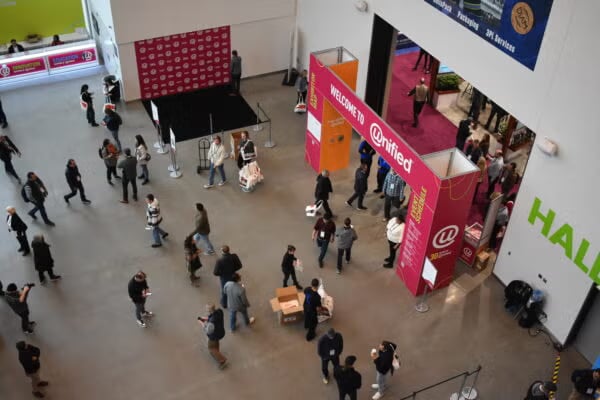
Last week, I had the opportunity to attend the Unified Wine & Grape Symposium in Sacramento, one of the most important annual gatherings for our industry. And if there was one theme that came up again and again — in panels, hallway conversations, and market updates — it was this:
The wine industry is ready for a shift in perspective.
Yes, we are still working through excess inventory and uncertainty in the bulk and grape markets. But what I heard last week was not just worry — it was also realism, adjustment, and even optimism.
So I wanted to share a few of my biggest takeaways from Unified, especially for vineyard owners, growers, sellers and buyers watching the market closely in 2026.
Acres Are Coming Out — and That Matters
One of the most consistent messages at Unified was that California’s vineyard footprint is shrinking.
Grower representatives reported approximately 515,600 standing acres in 2024, representing a net loss of roughly 40,000 acres over the last three years. And more removals are expected again this year.
Turrentine Brokerage echoed that trend, projecting another 50,000 acres removed or mothballed in 2026 unless growers are able to secure early contracts.
This is one of the most significant supply-side corrections we’ve seen in decades — and it’s already reshaping the long-term outlook.
The Inventory Bubble Is Real — But the Adjustment Is Underway
We heard a lot about the current “inventory bubble.”
The industry is estimated to be sitting at 20+ months of inventory, when historically about 18 months is considered comfortable.
And because wine sales have softened, much of the adjustment is coming from the supply side — smaller crops, reduced farming, and vineyard removals.
Turrentine’s team projects the 2025 crush could land between 2.0 and 2.4 million tons, potentially the smallest harvest since the mid-1990s.
At Unified, estimates suggested that as much as 25% of fruit may have gone unharvested in 2025 — a difficult but telling signal of where the imbalance has been.
Cabernet and Chardonnay Still Lead the Way
Even in a cautious market, some fundamentals remain unchanged.
Cabernet Sauvignon and Chardonnay are still the “king and queen” of California plantings, and nursery activity shows they remain dominant.
Bulk pricing varies widely by region, but the trends are clear:
- Napa Valley Cab: $10–$19/gallon
- Paso Robles Cab: $5–$7/gallon, with premium lots higher
- Chardonnay: renewed buyer focus on 2024–2025 vintages
Buyers are cautious — but they haven’t disappeared. They are simply being more selective.
The Consumer Story Was One of the Most Encouraging Parts of Unified
One of my favorite sessions was focused on consumer behavior and wine’s role in culture.
Dr. Liz Thach shared that:
- 76 million Americans still drink wine
- Wine remains the largest wine-drinking market in the world
- The real change is fewer occasions — not total abandonment
Consumers still associate wine with:
- Connection
- Food
- Relaxation
- Romance
And the #1 occasion for wine? Romance.
That’s a powerful reminder that wine is not just a commodity — it’s emotional and cultural.
We Need to Change the Conversation
One of the strongest closing messages — both at Unified and in the January Turrentine newsletter — was about shifting away from constant negativity.
As Turrentine wrote:
“This isn't about ignoring the data… it’s about changing the conversation we present to the world.”
Wine has an 8,000-year history of bringing people together. And as an industry, we need to lead with that story again.
What This Means for Vineyard Real Estate in 2026
At VPRE, we work with vineyard properties as long-term agricultural assets — not short-term headlines.
Here’s what I believe is true coming out of Unified:
- The market is correcting, not collapsing
- Vineyard removals are tightening future supply
- Premium regions and well-farmed properties will remain resilient
- Strategic planning now will define the next cycle
Some economists suggested balance could return by 2028, depending on shipments and consumer trends.
That makes 2026 a reset year — and an important moment for vineyard owners to stay informed and proactive.
Closing Thought: 2026 Is a Year for Steady Leadership
Walking away from Sacramento last week, I felt something I haven’t felt in a while:
The industry is ready to move forward.
Not by ignoring challenges — but by responding thoughtfully, telling a better story, and making smart decisions that protect the future of California wine and vineyard land.
If you’d like to talk about what these trends mean for your vineyard property — whether you’re holding, transitioning, or exploring new opportunities — I’m always here as a resource.
Warmly,
Jenny Heinzen
Vineyard Professional Real Estate
Click here to Join our exclusive market insights newsletter.