I had a thoughtful conversation with Wine Business Monthly about the current California vineyard real estate market. Their questions helped me recognize an important change: although vineyard property values remain under pressure, properties are beginning to sell more quickly.
Historically, the average marketing period for a vineyard property could easily exceed a year. Based on VPRE’s recent listings and transactions, I estimate that our average time on the market may now be closer to half that.
That does not necessarily mean the market has strengthened. In many cases, it means sellers have become more motivated and realistic about value.
Increased Activity Across the Wine Industry
BMO’s beverage team, led by Perry DeLuca, recently highlighted eight successfully completed assignments during the past 12 months. The work included recognizable names such as Ste. Michelle Wine Estates, Simi, Kenwood Vineyards, Sbragia Family Vineyards, St. Agrestis, and Elouan, along with a Napa Valley vineyard and a Paso Robles winery.
The BMO team has clearly been busy, and completing eight assignments in the present environment is noteworthy.
BMO’s work encompasses brands and wine businesses as well as real estate, while VPRE focuses primarily on vineyard, winery, and related agricultural real estate. These are different types of assignments, but activity in both areas points to the same broader trend: motivated owners are finding ways to transact despite challenging market conditions.
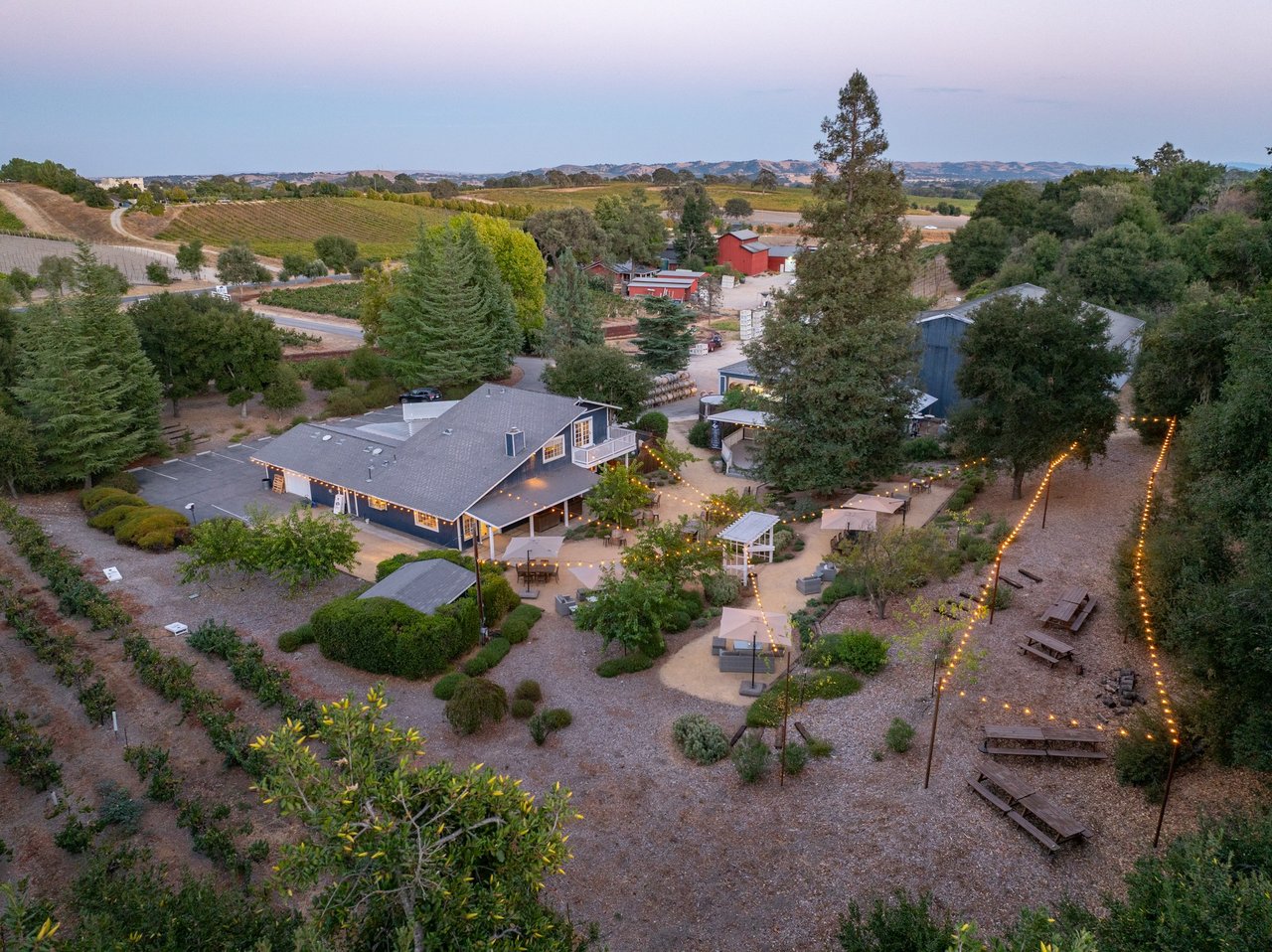
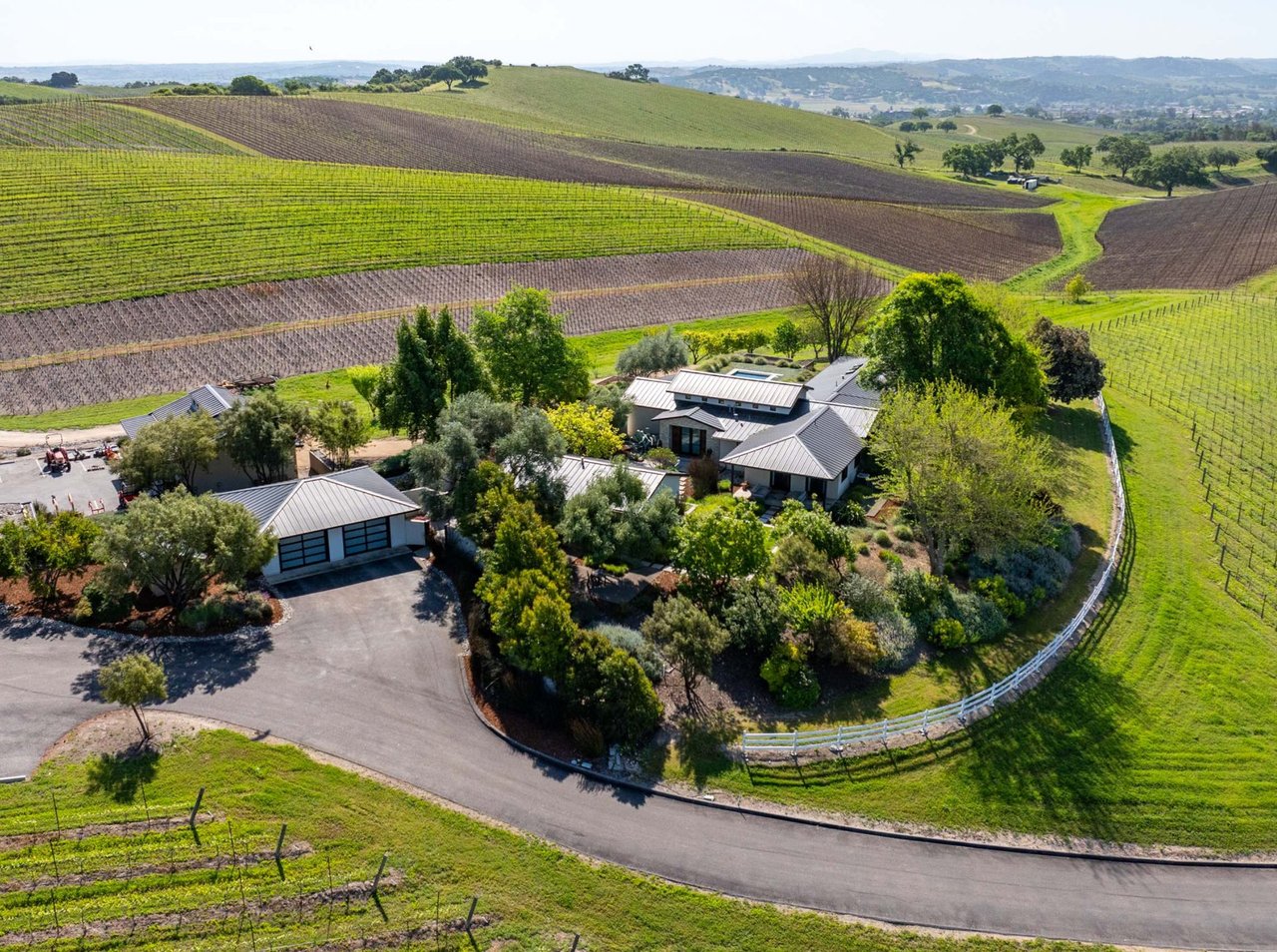
VPRE has completed approximately $30 million in vineyard and winery real estate sales so far in 2026, with another approximately $8 million in escrow. Our recent transactions include a significant vineyard sale to a neighboring owner, an opportunity-driven winery property acquisition, and several lifestyle vineyard properties. You can review examples among our notable vineyard and winery sales.
The names, structures, and values vary considerably, but the common thread is that transactions are happening.
More Sales Do Not Necessarily Mean a Stronger Market
Transaction activity appears to be increasing, but many properties and wine-related assets are selling for less money.
For as long as I have worked in vineyard real estate—nearly 25 years—the gap between seller expectations and what buyers are willing to pay has been one of the primary obstacles to completing transactions. That gap becomes especially pronounced during periods of industry uncertainty.
Sellers often look to historical grape prices, stronger vintages, prior acquisition multiples, or the amount invested in a property. Buyers focus on what the asset can support today. They are underwriting current grape demand, contract security, water availability, operating expenses, deferred improvements, financing costs, and the property’s future marketability.
When those perspectives are too far apart, even excellent properties can remain on the market for an extended period.
What appears to be changing is not necessarily buyers’ willingness to pay more. It is sellers’ willingness—or need—to accept what the market currently supports.
Motivated Sellers Are Shortening the Marketing Period
At VPRE, vineyard properties have historically required well over a year to sell on average. Based on our recent activity, that period may now be closer to six months.
That is an encouraging sign for transaction velocity, but it needs to be interpreted correctly. The shorter marketing period is being driven largely by motivated sellers, realistic pricing, and a greater willingness to structure transactions around current conditions.
Recent successful sales have generally shared several characteristics:
- The seller had a clear reason and timeline for selling.
- Pricing reflected current economics rather than historical expectations.
- The property offered identifiable value beyond its existing vineyard operation.
- Buyers could understand the opportunity without relying on aggressive projections.
- Both parties remained practical during due diligence and negotiations.
What Buyers Are Underwriting Today
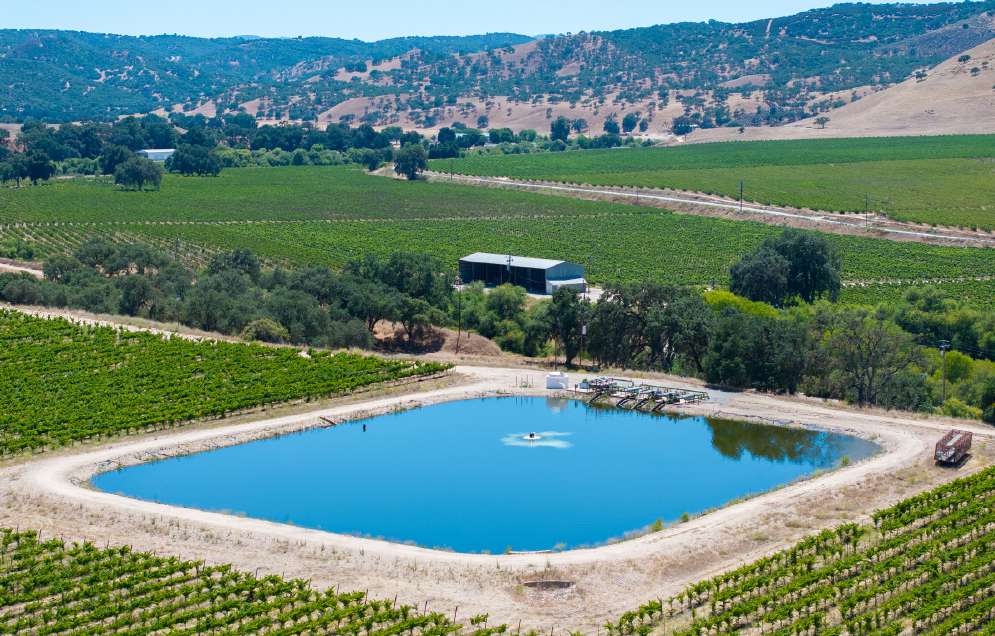
Properties with secure grape contracts, reliable water, strong locations, alternative uses, or strategic value to neighboring owners continue to attract attention across the Central Coast vineyard market.
Buyers are more cautious, however, about paying premiums for vineyard acreage without dependable fruit placement or for winery improvements that do not generate sufficient income. Replacement cost and prior investment remain relevant, but they do not necessarily determine market value.
For buyers evaluating vineyards for sale in California, the opportunity must work under current conditions. Water resources, plant health, grape contracts, operating costs, alternative agricultural uses, and long-term marketability can all influence value. VPRE’s buyer representation and consultation services are designed to help clients evaluate these considerations carefully.
Those following current Paso Robles vineyard sales or winery real estate opportunities can also explore VPRE’s available properties.
The Market Is Working—At a Different Price
The current market is not inactive. VPRE’s recent closings and pending transactions, together with the assignments reported by BMO and others in the industry, demonstrate that deals are getting done.
But transaction count alone does not tell the entire story.
The more accurate conclusion is that portions of the California vineyard real estate market are becoming more liquid as pricing resets. Properties are selling faster because motivated sellers are meeting buyers closer to where the market actually is—not because values have returned to prior highs.
For vineyard and winery owners considering a sale, that distinction matters.
A well-positioned property can sell in this environment, and it may sell more quickly than it would have several years ago. Success, however, depends on realistic valuation, informed positioning, and a clear understanding of what today’s buyers are prepared to underwrite.
Properties are selling faster—but at today’s prices.
If you are considering buying or selling a vineyard, winery, ranch, or agricultural property, contact Vineyard Professional Real Estate to schedule a private consultation.
About the Author
Jenny Heinzen is the Broker and Principal of Vineyard Professional Real Estate. With more than two decades of experience in vineyard, winery, luxury estate, and agricultural real estate, she has sold more than 10,000 acres of vineyard land and represented wine companies, investors, and private clients throughout California’s Central Coast.