For a long time, luxury real estate was easy to identify.
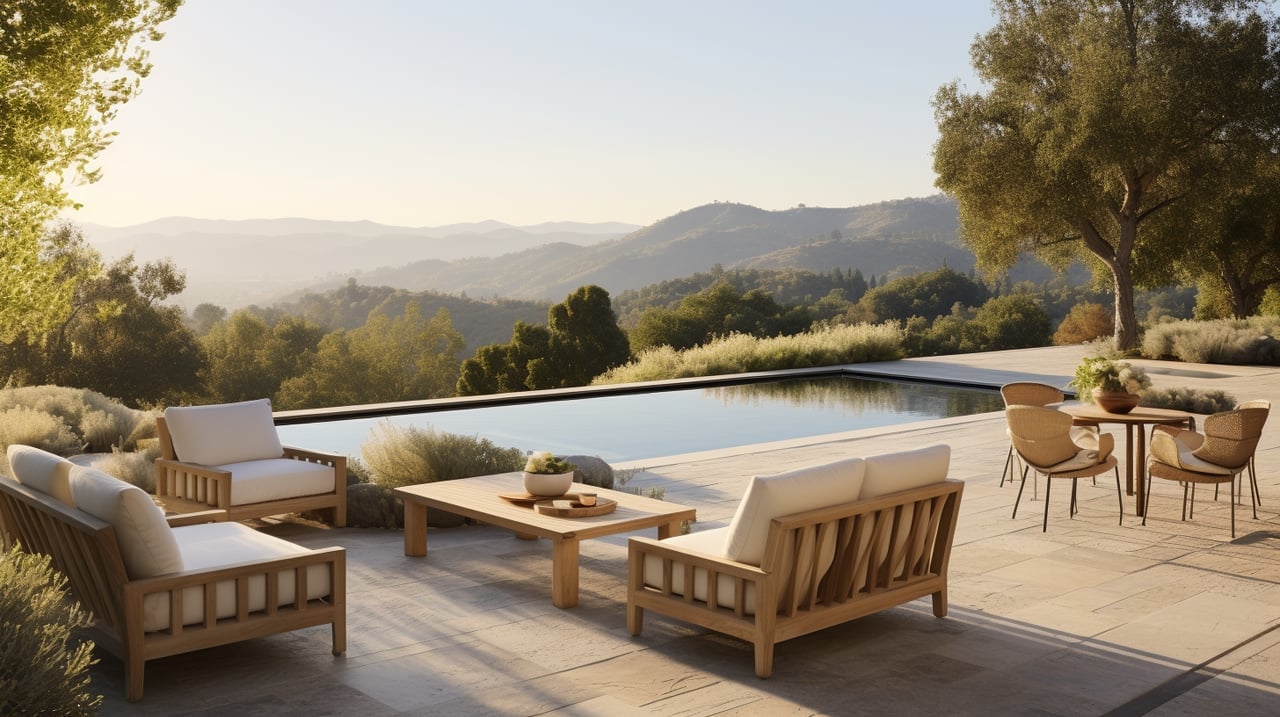
More square footage. More bedrooms. A bigger kitchen. A pool. Imported stone. Expensive finishes.
Those things still matter. But after more than 20 years selling vineyard, winery and estate properties on California’s Central Coast, I think the definition of luxury is changing.
Increasingly, the things buyers value most are the things that are hardest—or impossible—to create.
Privacy. Space. Silence. Views. Water. Mature trees. A connection to the land.
You can remodel a kitchen.
You cannot remodel 20+ acres into existence.
You cannot manufacture an uninterrupted ridgeline, move a neighboring house farther away or instantly grow a stand of mature oaks. You cannot recreate a property that feels completely removed from the world while still being ten minutes from dinner in town.
And that may be why land itself is becoming one of the most important amenities in Paso Robles wine country real estate.
Luxury Is Becoming Less Visible
Some of the most desirable properties I show today aren’t necessarily the ones with the biggest houses.
Sometimes it is the property where you turn off the main road, pass through a gate and suddenly can’t see another home.
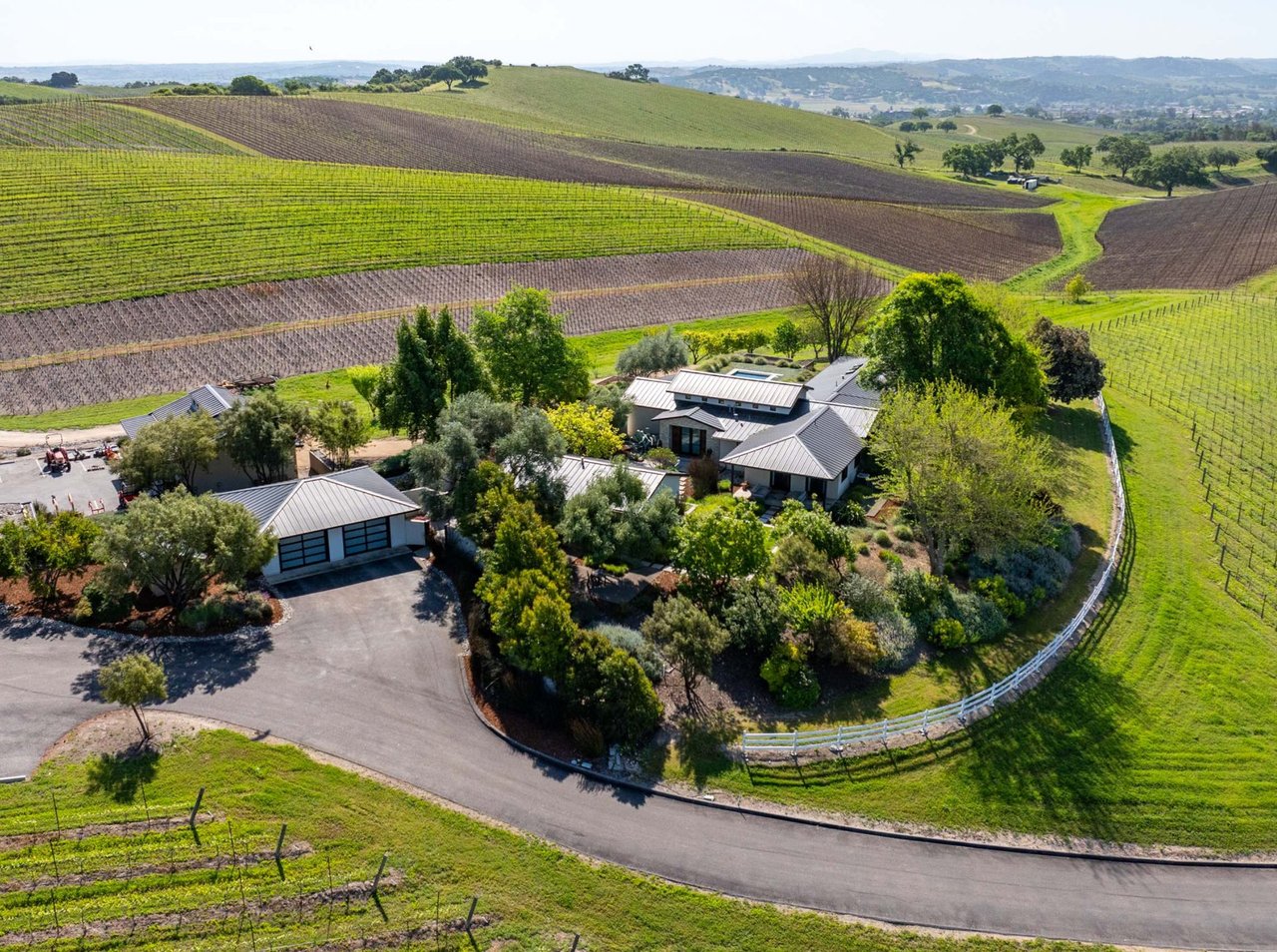
Sometimes it is a beautifully designed house sitting in exactly the right place on 20, 40, 100—or several hundred—acres.
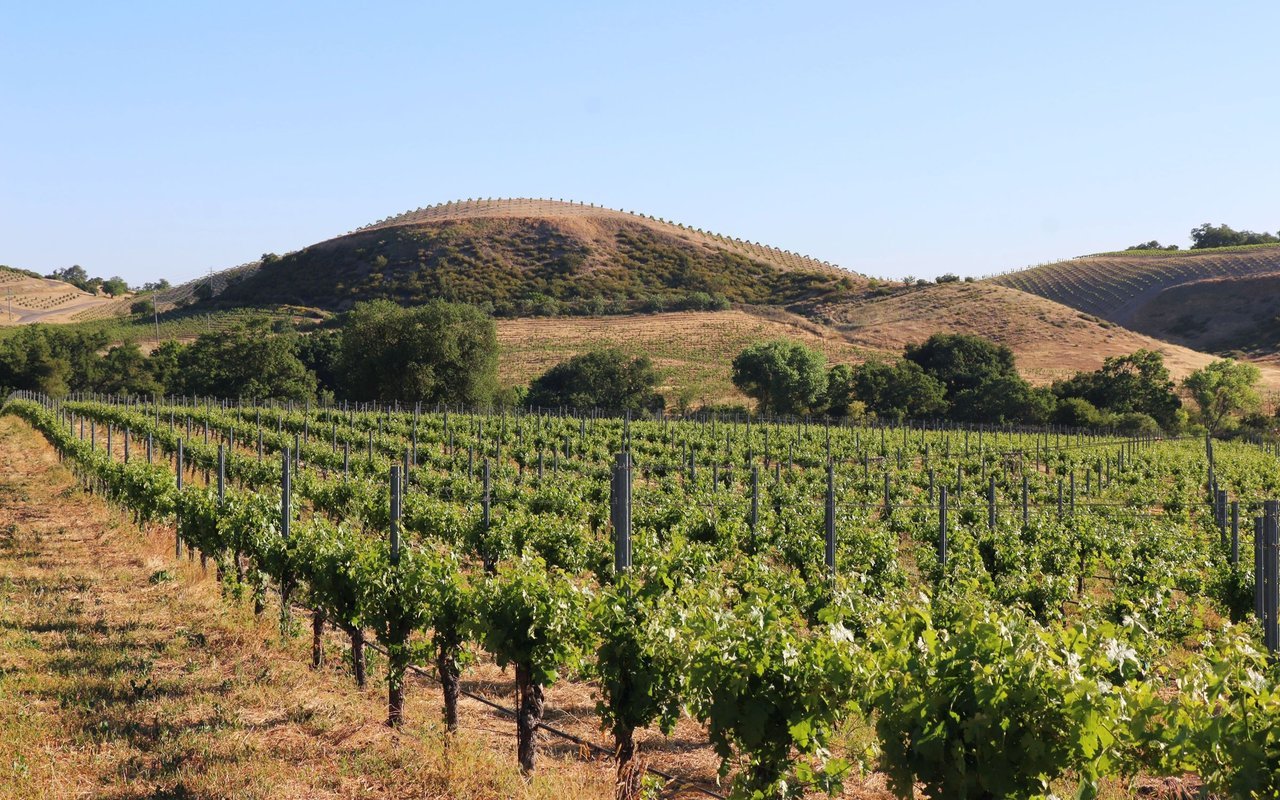
Sometimes it is waking up to vineyard rows instead of rooftops, hearing nothing at night and seeing stars instead of streetlights.
That is a very different kind of luxury.
It is less about displaying what you own and more about controlling your environment.
What can I see? What can I hear? Who can see me? What surrounds me?
For many buyers, those questions are becoming every bit as important as the finishes inside the house.
The House Is Only Part of What You’re Buying
This is especially true in wine country, where two properties with similar homes can have very different values.
Professional agricultural appraisal methodology reflects that. When comparing properties, appraisers consider factors including location and access, land profile and terrain, water sources and the usability of the property—not simply the buildings sitting on it.
That is something those of us who work in this market see every day.
A buyer may fall in love with the house, but sophisticated buyers quickly start looking beyond it.
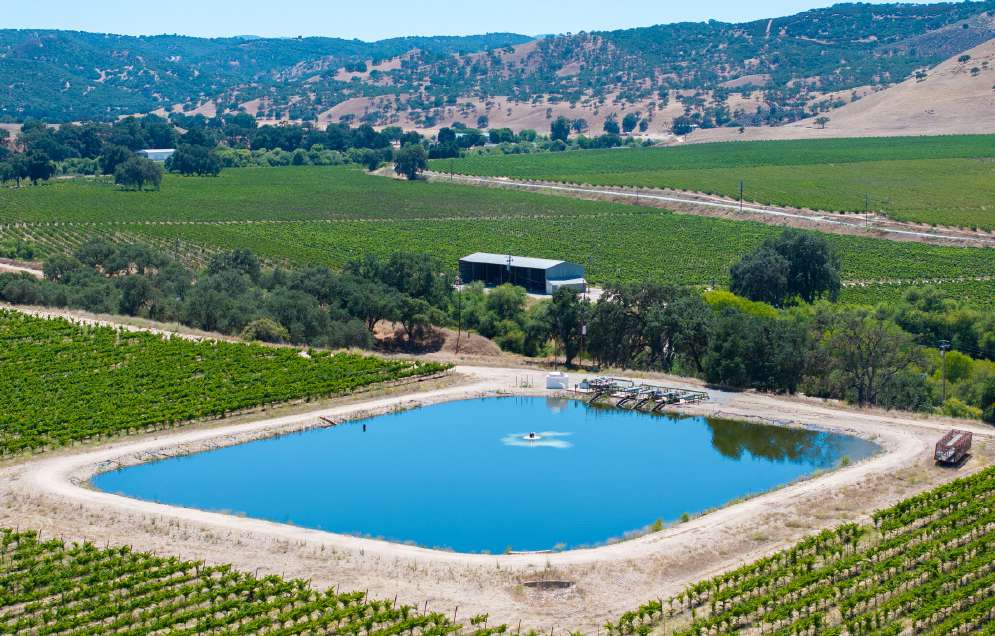
Where does the water come from?
What surrounds the property?
How close are the neighboring homes?
Is the acreage usable?
What is the approach to the property like?
Where does the afternoon wind come from?
What will the view look like in ten years?
Can anything be built next door?
What is the property’s agricultural or vineyard potential?
Those questions do not photograph particularly well for Instagram. But they can be enormously important to long-term desirability and value.
Paso Robles Has Something That Is Becoming Harder to Find
That is where Paso Robles has an interesting advantage.
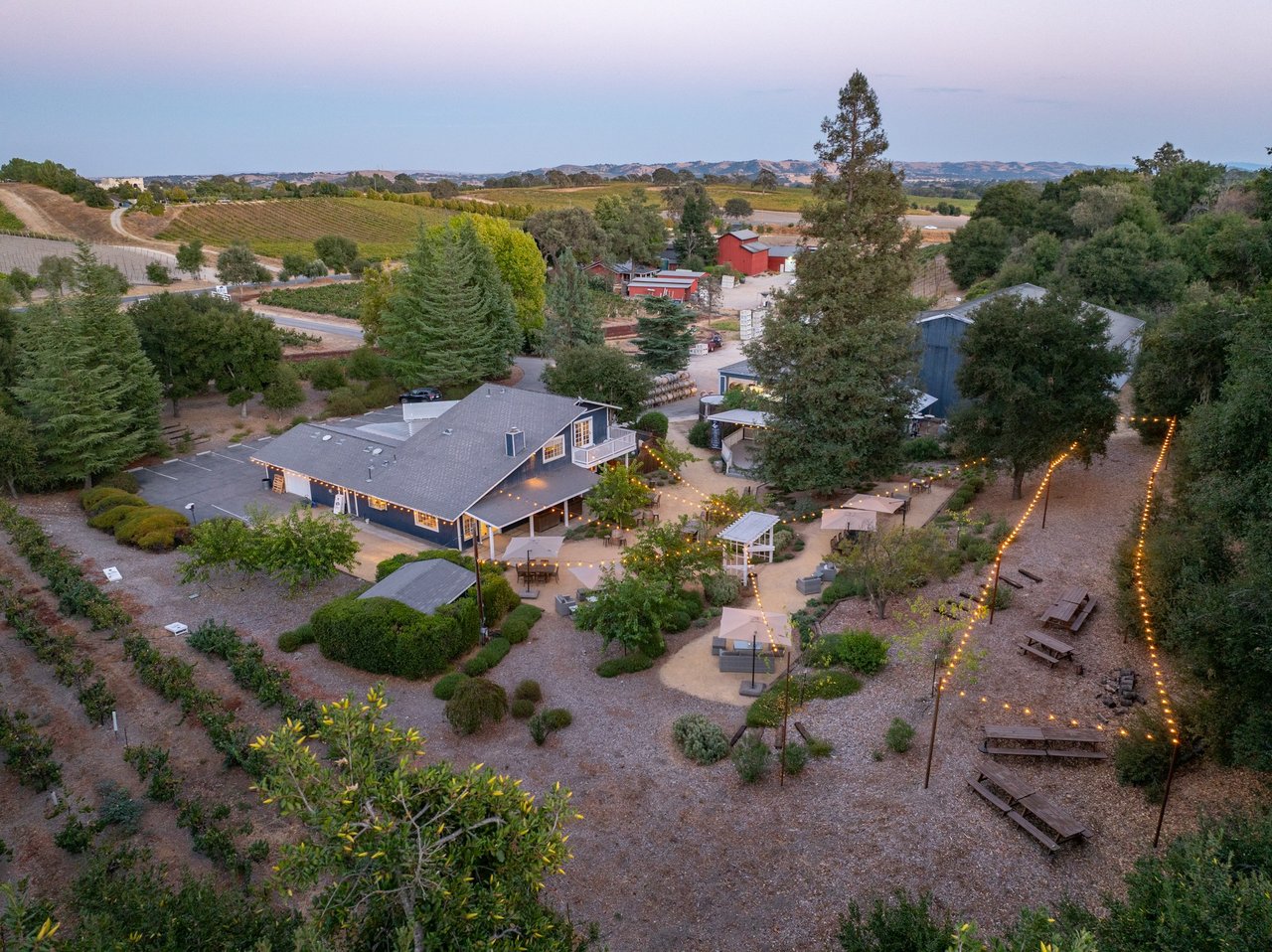
Our luxury market isn’t simply a collection of expensive homes. It is surrounded by a working agricultural landscape.
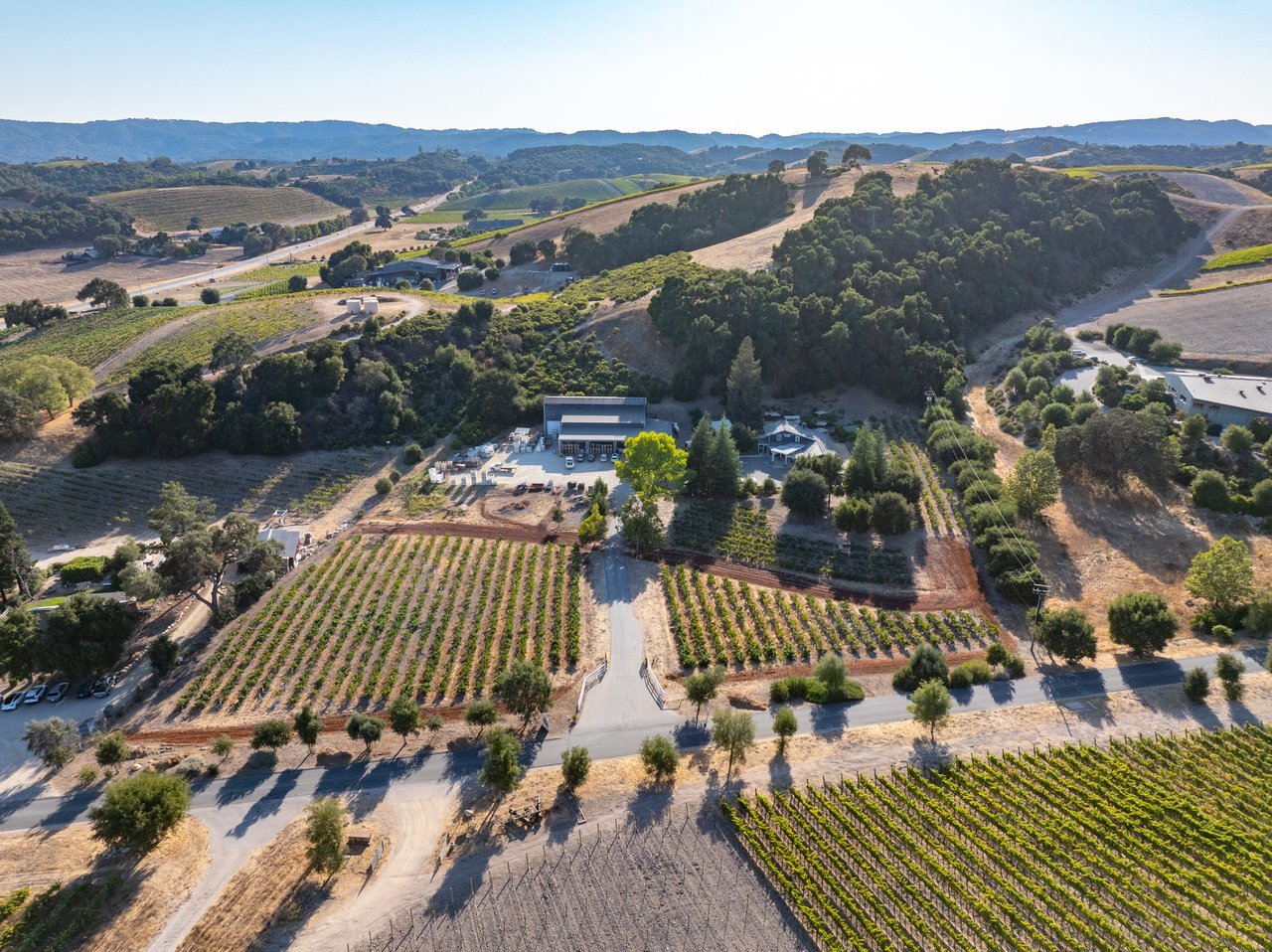
On the west side of Paso Robles, for example, the landscape moves from vineyards and rolling farmland into the Santa Lucia Mountains. The Willow Creek District is influenced by elevation, marine air through the Templeton Gap and a genuinely rural agricultural setting, while remaining close to Paso Robles and Templeton.
That combination is difficult to replicate.
You can have acreage without being isolated.
You can have privacy without being an hour from town.
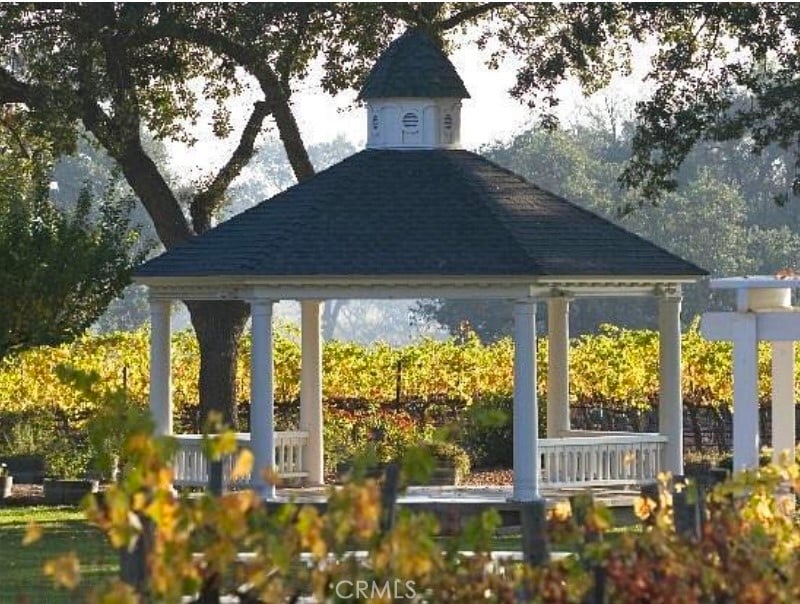
You can have a vineyard outside the window, restaurants and wineries nearby, and still feel as though you have escaped somewhere.
For the right buyer, that is incredibly compelling. A thoughtful first visit to Paso Robles wine country can help buyers understand how land, lifestyle and location come together here.
When It Comes to Acreage, More Can Be Better
Simply owning land does not automatically make a property luxurious.
But when additional acreage creates greater privacy, protects views, adds usable ground, creates agricultural or recreational opportunities, or simply puts more distance between you and everyone else, it can become incredibly valuable.
Twenty acres beside a busy road is different from 20 acres at the end of a private drive.
And 100 acres that surrounds a home with open countryside may offer something that becomes increasingly difficult to find as California develops.
Wine-country appraisal work makes a similar distinction. One Central Coast appraisal describes a clear separation between true “Luxury” quality vineyard sites and more conventional premium or production properties, noting that the highest-quality sites can command exceptional values because of the site itself.
That idea translates beyond vineyards.
The dirt matters. The setting matters. The scarcity matters.
In luxury real estate, the most valuable feature may increasingly be the one that cannot be renovated later.
The New Luxury Checklist
When I look at exceptional wine-country properties today, I find myself paying attention to a slightly different list than I did years ago.
Of course I notice the architecture, kitchen, finishes and pool.
But I am also looking at:
Privacy. Can you see the neighbors—and can they see you?
Setting. Does the property have a sense of arrival and a relationship to its surroundings?
Land. Is the acreage usable, beautiful, productive—or simply valuable because it protects the property around you?
Water. Particularly in California, dependable water is fundamental.
Views. Not simply whether there is a view, but whether that view is protected and difficult to duplicate.
Location. Twenty acres in one location can be dramatically more desirable than considerably more acreage somewhere else.
Optionality. Guest houses, vineyards, equestrian uses, agricultural potential, hospitality opportunities or simply room for future generations can add a dimension that a traditional subdivision home cannot. Our Paso Robles luxury real estate buyer’s guide outlines additional considerations for evaluating distinctive wine-country properties.
Silence. This may be the most underestimated luxury amenity of all.
What Can’t Be Replaced?
I think that may ultimately be the best question when evaluating a luxury property.
Not:
What did this house cost to build?
But:
What about this property could I never reproduce?
The kitchen can change.
The bathrooms can change.
A pool can be added.
A house can sometimes be expanded—or even replaced entirely.
But the acreage, location, privacy, mature landscape, vineyard, water resources and relationship to the surrounding countryside are much harder to duplicate.
Those are the characteristics that make certain properties feel special the moment you arrive.
And as our lives become more connected, more visible and more crowded, I suspect having a little less of the outside world may become increasingly valuable.
Maybe the ultimate luxury isn’t another 2,000 square feet after all.
Maybe it’s 20+ acres and no neighbors.
Jenny Heinzen
Broker/Principal
Vineyard Professional Real Estate
VPRE specializes in vineyard, winery and luxury estate properties throughout California’s Central Coast.