Insights for Vineyard, Ranch, and Agricultural Property Owners
As we begin 2026, San Luis Obispo County agriculture continues to evolve—shaped by new regulations, market support programs, labor requirements, and a strong local ag community. For vineyard owners, ranchers, and agricultural land investors, staying informed isn’t just good practice—it’s essential to protecting land value, operational continuity, and long-term investment potential.
Below are key updates and takeaways that matter most for current and prospective agricultural property owners in San Luis Obispo County.
Agriculture Remains the Backbone of the Central Coast
Local agriculture continues to thrive because of engaged landowners, growers, and ag professionals who are committed to stewardship and resilience. Organizations like the San Luis Obispo County Farm Bureau play an important role in advocacy, education, and community-building—factors that directly impact land use policy, water regulation, labor compliance, and disaster preparedness.
For buyers evaluating agricultural properties and sellers positioning assets for the market, this strong local ag infrastructure is a meaningful advantage.
Key Issues to Watch in 2026
1. Water Regulations & Property Rights (WOTUS)
The EPA’s proposed updates to the Waters of the U.S. (WOTUS) Rule are now open for public comment through early 2026. These rules affect how waterways, drainage features, and wetlands are defined—directly impacting:
- Vineyard development and replanting
- Drainage improvements
- Ranch infrastructure
- Permitting timelines and compliance costs
Why this matters to landowners:
Regulatory clarity (or lack thereof) can influence both operational flexibility and property value. Properties with clear water compliance histories and well-documented infrastructure are increasingly attractive in today’s market.
2. New California Laws Affecting Farms
Several new California state laws took effect on January 1, impacting farm operations across the state. While specifics vary, common themes include:
- Labor compliance
- Environmental reporting
- Employment documentation requirements
Why this matters:
Buyers are conducting deeper due diligence than ever. Clean labor records, proper postings, and compliant operations can reduce transaction friction and strengthen negotiating positions.
3. Federal Support & Agricultural Assistance Programs
The USDA has announced updated payment rates for the Farmer Bridge Assistance Program, along with additional federal aid distributions.
Why this matters:
Income stability and government support programs can positively influence cash flow, especially for operational vineyards and working ranches—factors that buyers and lenders evaluate closely.
Labor & Compliance: A Growing Area of Scrutiny
California agricultural employers must remain current with required employment notices and labor postings. Updated FELS Posters & Books for 2026 will be available mid-January.
For property owners:
Even if land is leased or operated by a third party, labor compliance issues can complicate transactions. Understanding who holds responsibility—and ensuring documentation is current—can help avoid delays during escrow.
Wildfire Preparedness & Risk Mitigation
The past five years have been among the most destructive wildfire seasons in California history. Wildfire preparedness is no longer optional—it’s a core component of responsible landownership.
Key considerations include:
- Evacuation planning
- Road access and defensible space
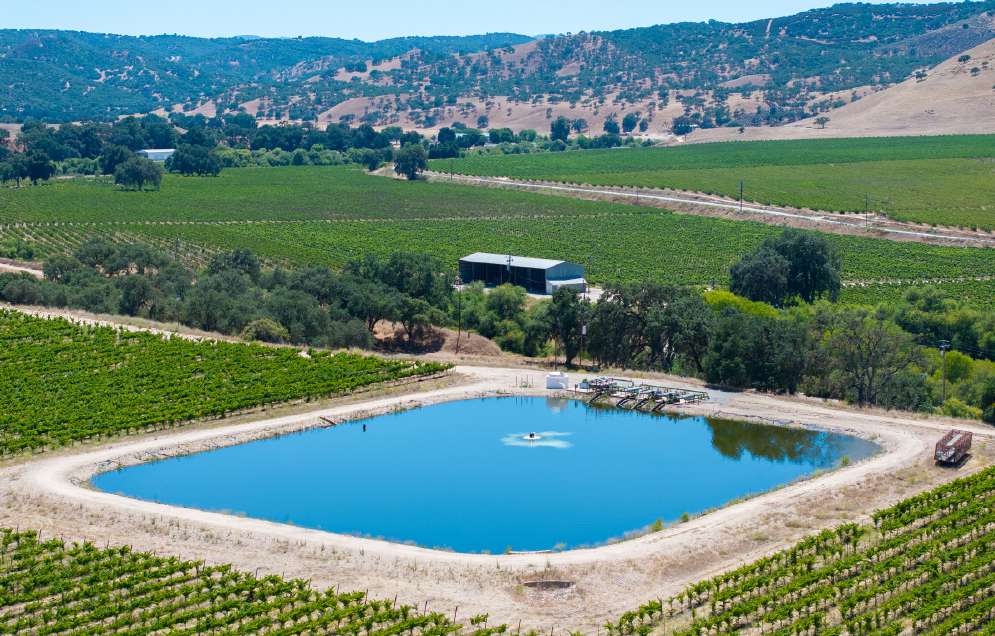
- Water storage and fire infrastructure
- Insurance availability and cost
Why this matters for real estate:
Fire preparedness and risk mitigation increasingly impact insurability, which in turn affects financing, valuation, and marketability of rural properties.
The Strength of the Local Agricultural Community
SLO County’s agricultural community remains deeply connected through:
- Young Farmers & Ranchers programs
- Women in Agriculture leadership groups
- Local farmers markets
- Educational conferences and trade events
This engagement supports long-term land stewardship, knowledge-sharing, and generational continuity—qualities that distinguish SLO County agricultural properties from many other markets.
What This Means for Buyers & Sellers
For buyers:
- Understanding regulatory trends helps identify well-positioned properties
- Strong local ag networks reduce operational risk
- Preparedness and compliance are long-term value drivers
For sellers:
- Clean records, documented infrastructure, and proactive risk management strengthen pricing and marketability
- Properties aligned with current regulations transact more smoothly
- Storytelling around stewardship and community involvement matters
Final Thought
Agricultural real estate isn’t just about acreage—it’s about water, labor, compliance, resilience, and community. Staying informed on these issues helps protect your investment today and position it for success tomorrow.
If you’d like insight into how these trends affect a specific vineyard, ranch, or agricultural property—or how to best prepare a property for sale in today’s market—the VPRE team is always here as a local resource.
Click here to Join our exclusive market insights newsletter.