In Paso Robles wine country, vineyard living is defined as much by design as by the vines themselves. Homes, wineries, and gathering spaces are thoughtfully integrated into the landscape, shaping what everyday life looks and feels like.
Terraces overlooking rolling vineyards, courtyards made for alfresco dinners with friends, and homes oriented to capture the last light of sunset all become part of daily life.
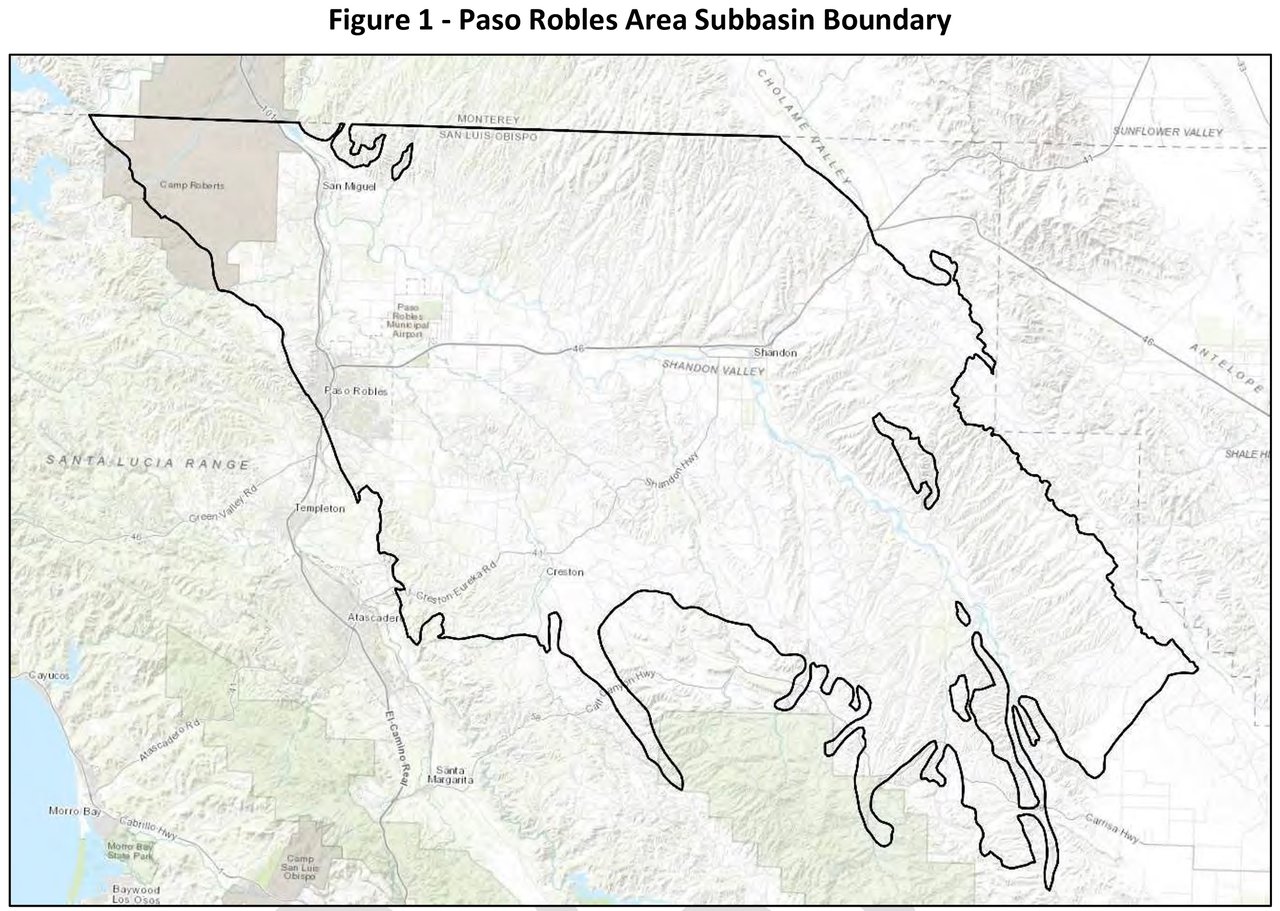
Home to hundreds of wineries and more than 40,000 vineyard acres, Paso Robles continues to attract buyers drawn not only to the wines produced here but also to the lifestyle that surrounds them.
Vineyard estates in Paso Robles AVA and across the Central Coast region reflect a wide range of architectural styles, from contemporary homes to Mediterranean-inspired estates and modern barn-style architecture.
Contemporary Vineyard Modernism
Listing example: 870 Arbor Rd
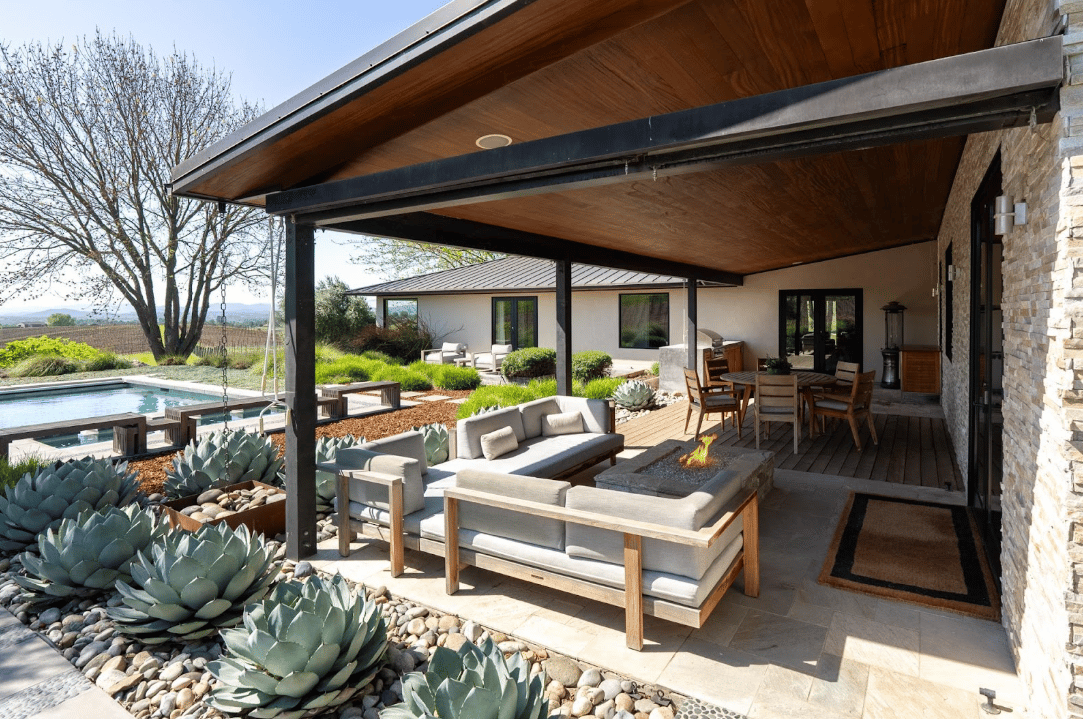
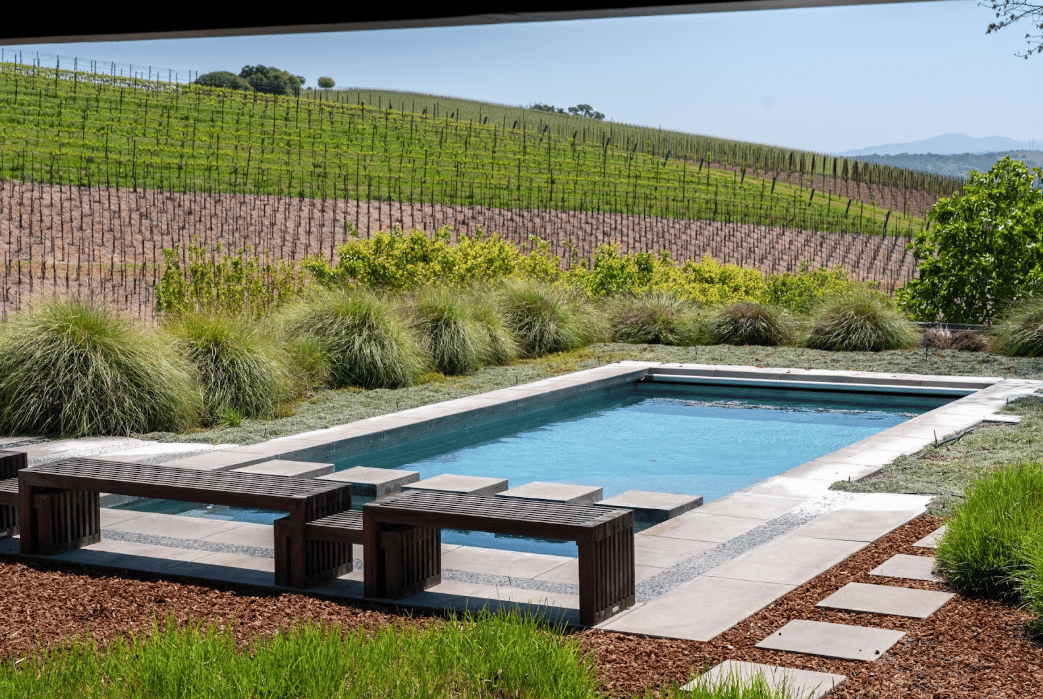
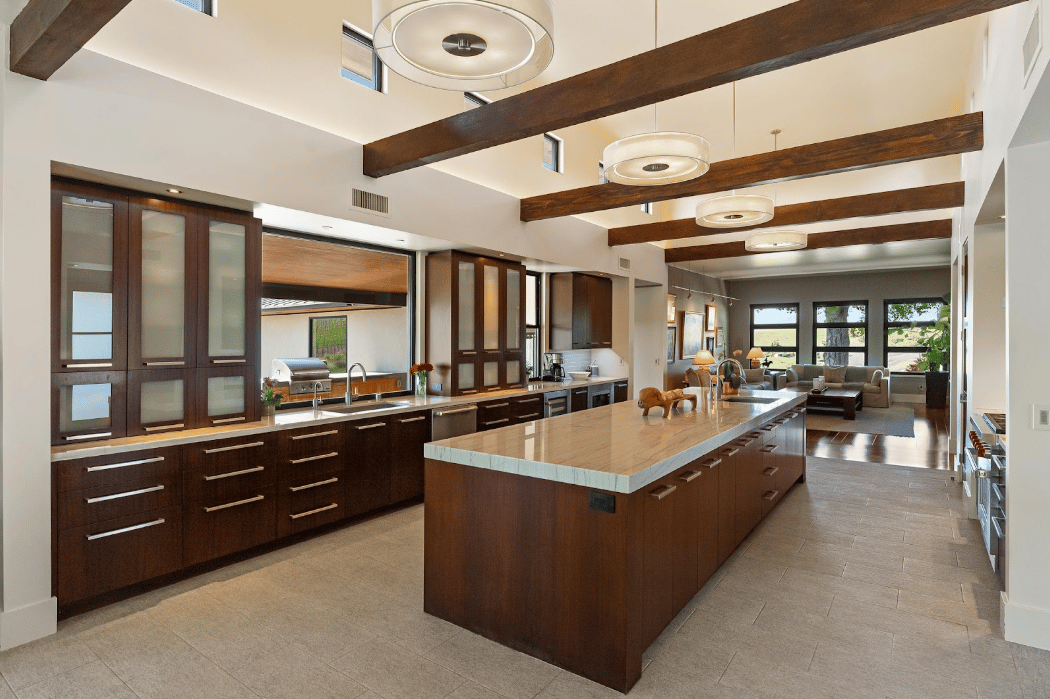
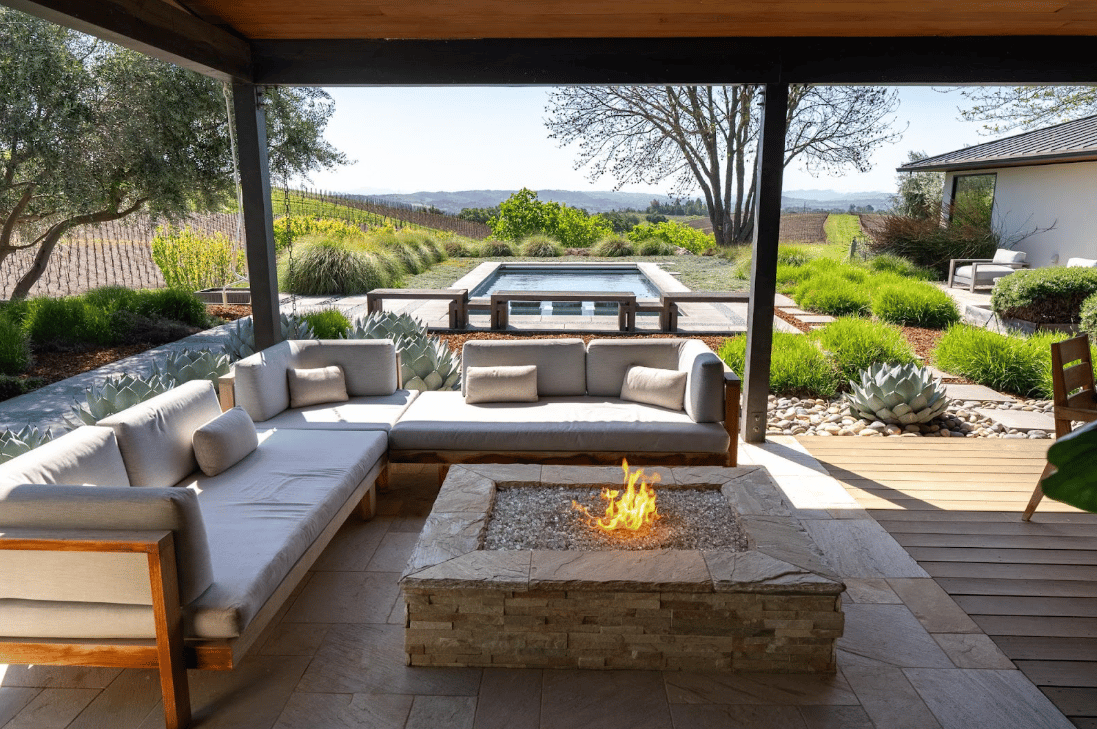
Contemporary architecture has become increasingly visible across vineyard estates in Paso Robles and the Central Coast.
These homes are often defined by clean lines, expansive glass, and restrained material palettes. Stone, wood, and steel help anchor modern forms within the vineyard landscape while allowing natural light and views to take center stage.
Inside, open layouts connect kitchens, living areas, and gathering spaces in ways that feel both relaxed and social. Walls of glass often slide away entirely, blurring the line between indoor and outdoor living.
Several Paso Robles wineries and tasting rooms have embraced contemporary design as well, reflecting the region’s continued evolution as one of California’s most desirable wine destinations.
What makes modern vineyard architecture work particularly well here is its restraint. Rather than competing with the land, these homes frame it—highlighting vineyard views, rolling hills, and wide skies at the center of the experience.
Modern Farmhouse / Barn-style Architecture
Another style frequently seen across vineyard estates draws inspiration from traditional agricultural buildings.
Barn-style architecture echoes the working heritage of many vineyard properties. Simple forms, pitched roofs, and natural materials create structures that feel authentic to the agricultural landscape.
Modern interpretations refine these familiar forms with contemporary elements such as steel framing, expansive windows, and large open gathering areas.
Across the Central Coast, stylish farmhouse or barn-style buildings are often used for tasting rooms, winery facilities, and event spaces. Their scale and openness make them well suited for hospitality while still feeling grounded in the farming traditions of the land.
For many vineyard estates, this popular style creates a natural bridge between the working vineyard and the welcoming spaces where guests gather to experience it.
Mediterranean and Spanish-Inspired Estates
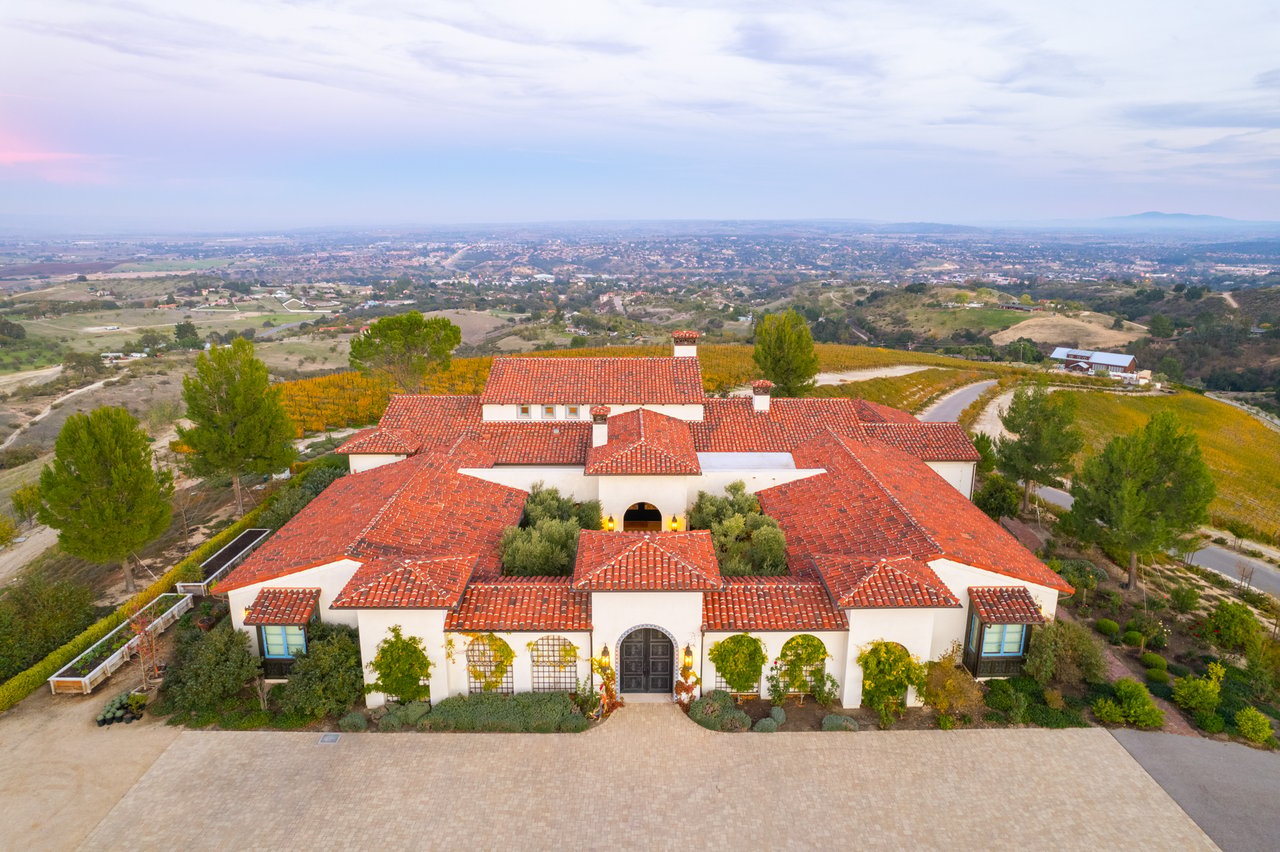
Listing example: 725 Spring Creek Way
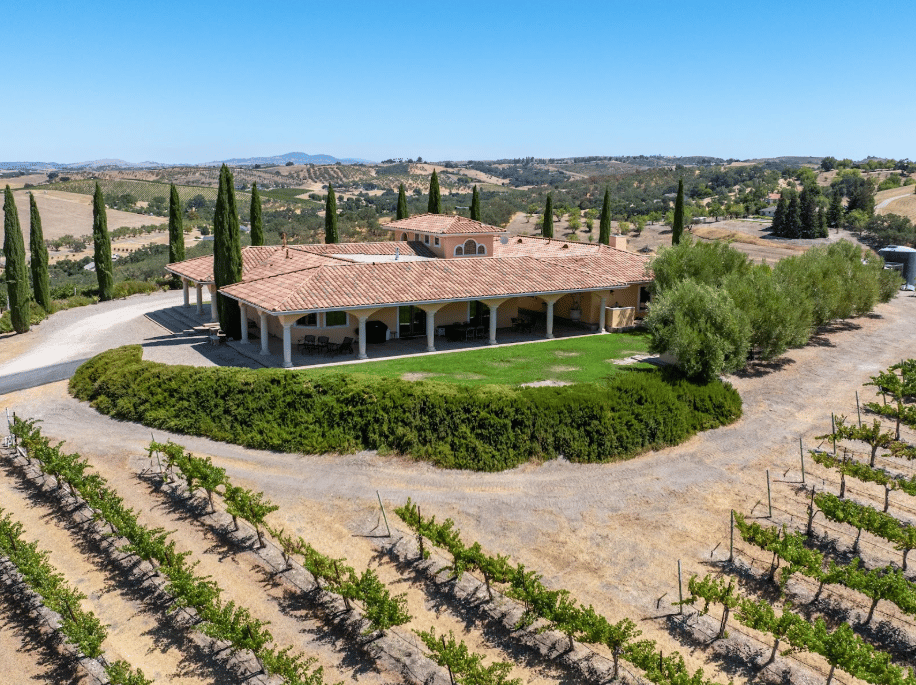
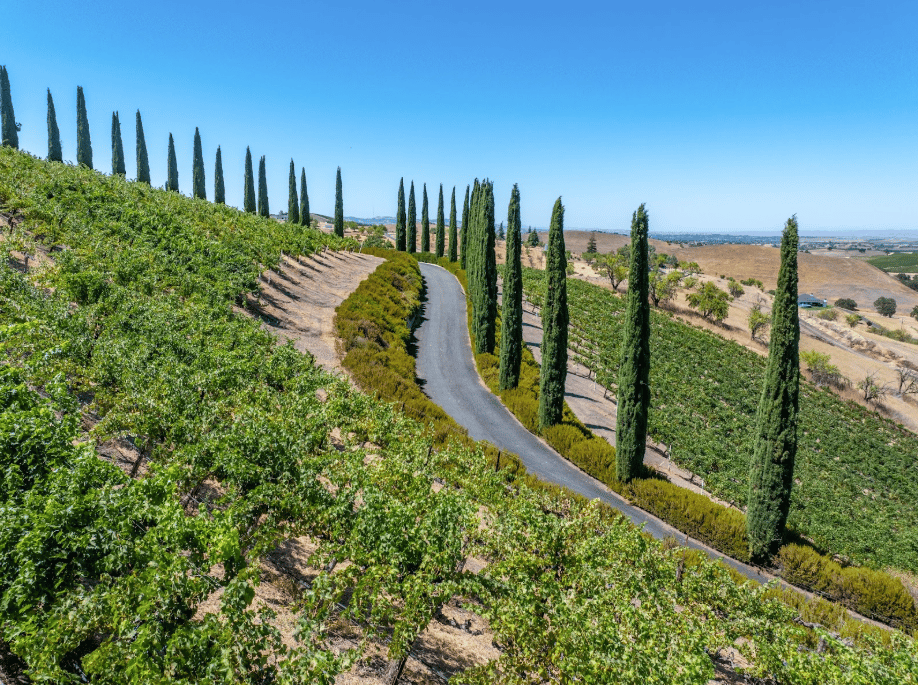
Mediterranean and Spanish-influenced
Architecture has long shaped the visual character of California wine country.
Many vineyard estates incorporate stucco walls, clay tile roofs, arched doorways, and interior courtyards. These elements reflect both California’s architectural history and the region’s Mediterranean-like climate.
Courtyards are a defining feature of homes built in this style. Framed by arches, stucco walls, and shaded walkways, they create sheltered outdoor rooms that bring light and air into the center of the home.
Terracotta roofs, wrought iron details, shaded verandas, and garden pathways contribute to the relaxed elegance of these estates. Olive trees, lavender, and fountains are often incorporated into the landscape.
For many vineyard owners, this style captures the romantic side of wine country living—where architecture, hospitality, and agriculture come together.
Hillside or Landscape-Integrated Design
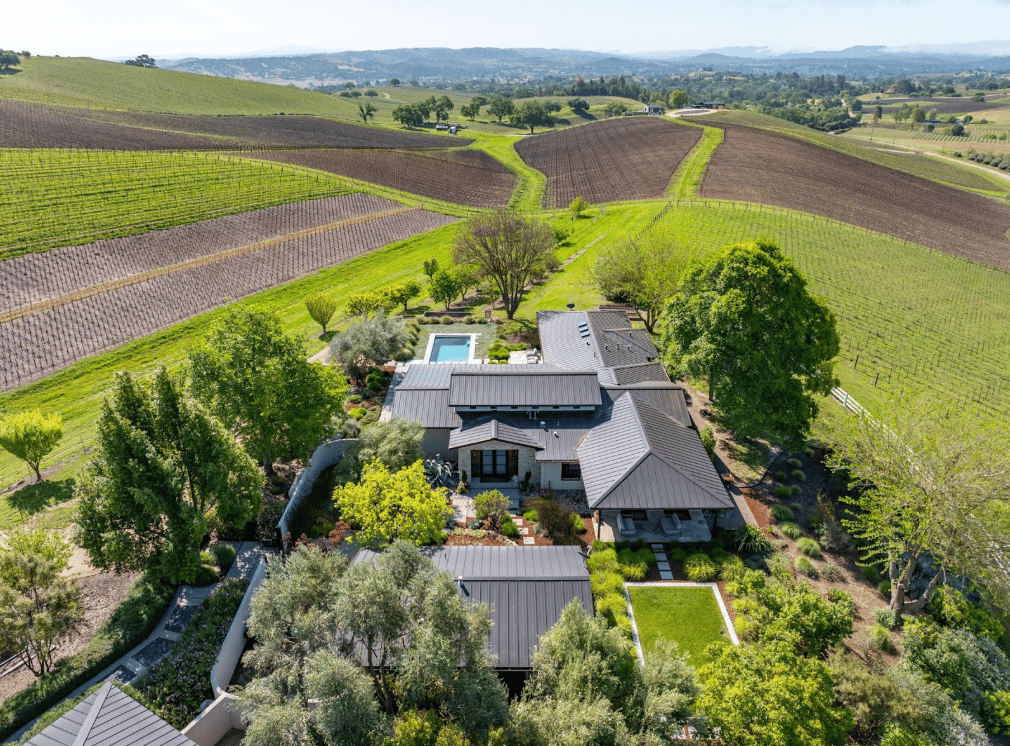
Example listing: 7432 Exotic Garden Drive (more landscape than hillside but so gorgeous!)
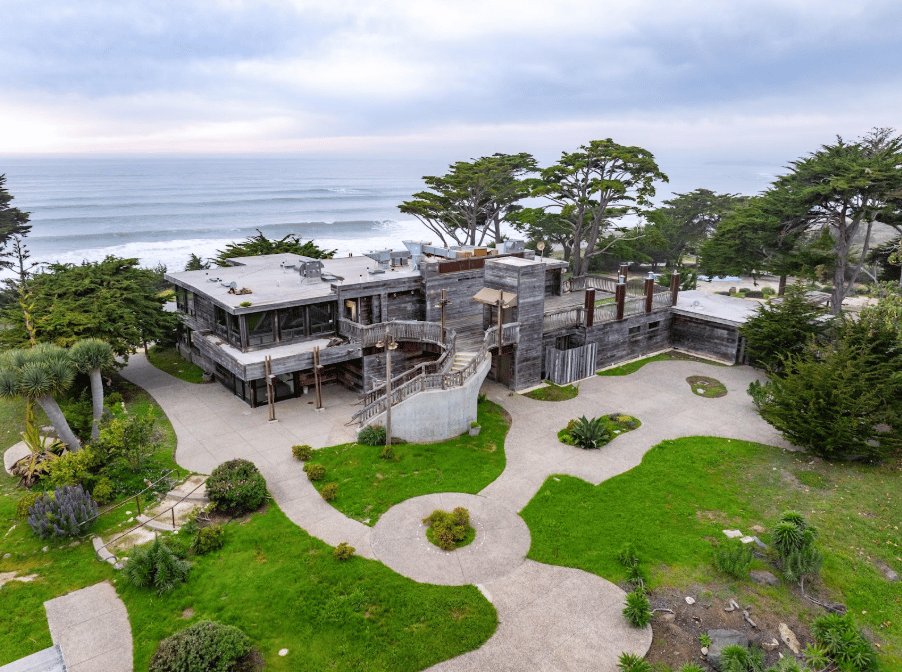
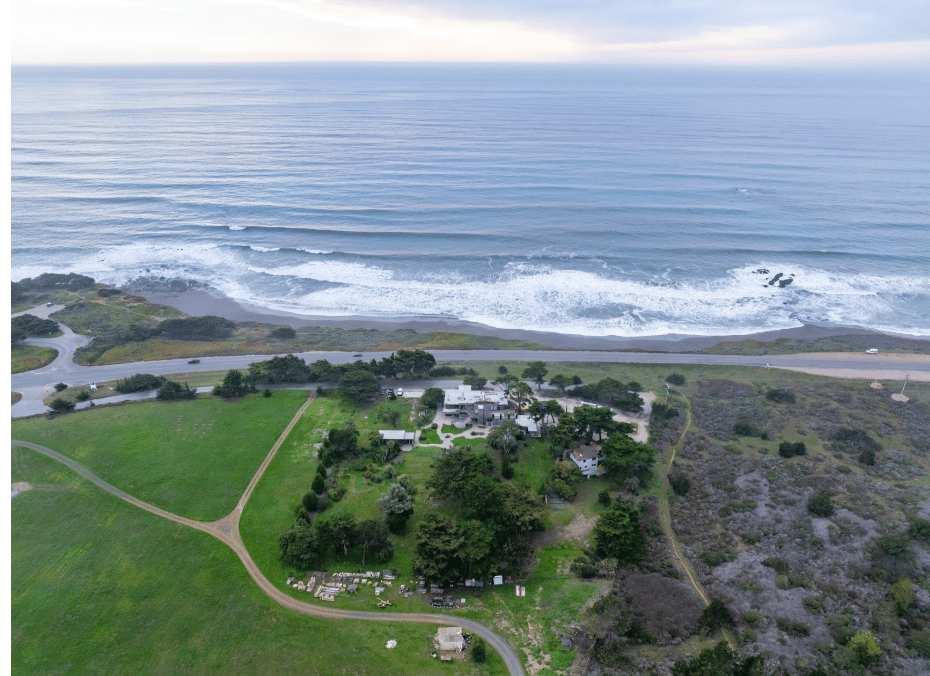
Some vineyard estates take a softer architectural approach, allowing the land to guide the design.
Homes may be partially set into hillsides or built with earth-toned materials that visually recede into the terrain. This style preserves sweeping vineyard or scenic views while maintaining a strong connection to the surrounding environment.
There are practical benefits as well. Hillside structures often benefit from natural temperature stability, which can be advantageous for wine storage or production spaces.
Throughout the Central Coast, this design philosophy reflects a growing emphasis on preserving the natural beauty of vineyard landscapes while creating homes that feel deeply rooted in place.
Architecture and Vineyard Property Value
Architecture can also influence how a vineyard property is experienced in the market. Design often shapes the first impression buyers have when they arrive at an estate.
Well-designed vineyard homes highlight views, create natural gathering spaces, and reflect the agricultural character of the land. Winery buildings and tasting rooms often become visual anchors for the property as well.
For buyers exploring vineyard ownership, architecture frequently deepens the emotional connection to a property. A contemporary hillside home overlooking the vines, a Mediterranean courtyard designed for long dinners outdoors, or a barn-style winery building set among the vineyards can all help bring the vision of wine country living to life.
When architecture and landscape work together, the result is often a vineyard estate that feels both functional and memorable.
Spaces Designed for Gathering
Wine country living naturally revolves around sharing food, wine, and conversation.
Vineyard estates are often designed with hospitality in mind. Outdoor kitchens, long dining tables beneath pergolas, guest houses, and wine cellars create spaces where friends and family naturally come together.
The Central Coast’s mild climate makes outdoor living possible throughout much of the year. Mild temperatures through much of the year allow outdoor spaces to become extensions of your home.
Whether hosting friends for a weekend, celebrating a harvest dinner, or simply enjoying a quiet evening overlooking the vines, these gathering spaces become part of daily life in Paso Robles wine country.
The Architecture of Vineyard Living
Across Paso Robles and the broader Central Coast, vineyard architecture reflects a distinctive blend of agriculture, landscape, and lifestyle. Some estates lean contemporary. Others draw from Mediterranean traditions or agricultural heritage. Many combine elements of several styles. What unites them is a shared purpose—creating places where vineyard life can unfold naturally, from early mornings among the vines to quiet evenings watching the sunset behind the hills.
Discover Paso Robles Vineyard Living
Explore vineyard estates, winery properties, and luxury homes in Paso Robles wine country.
Visit vineyardprorealestate.com or contact Jenny Heinzen at [email protected] to learn more.