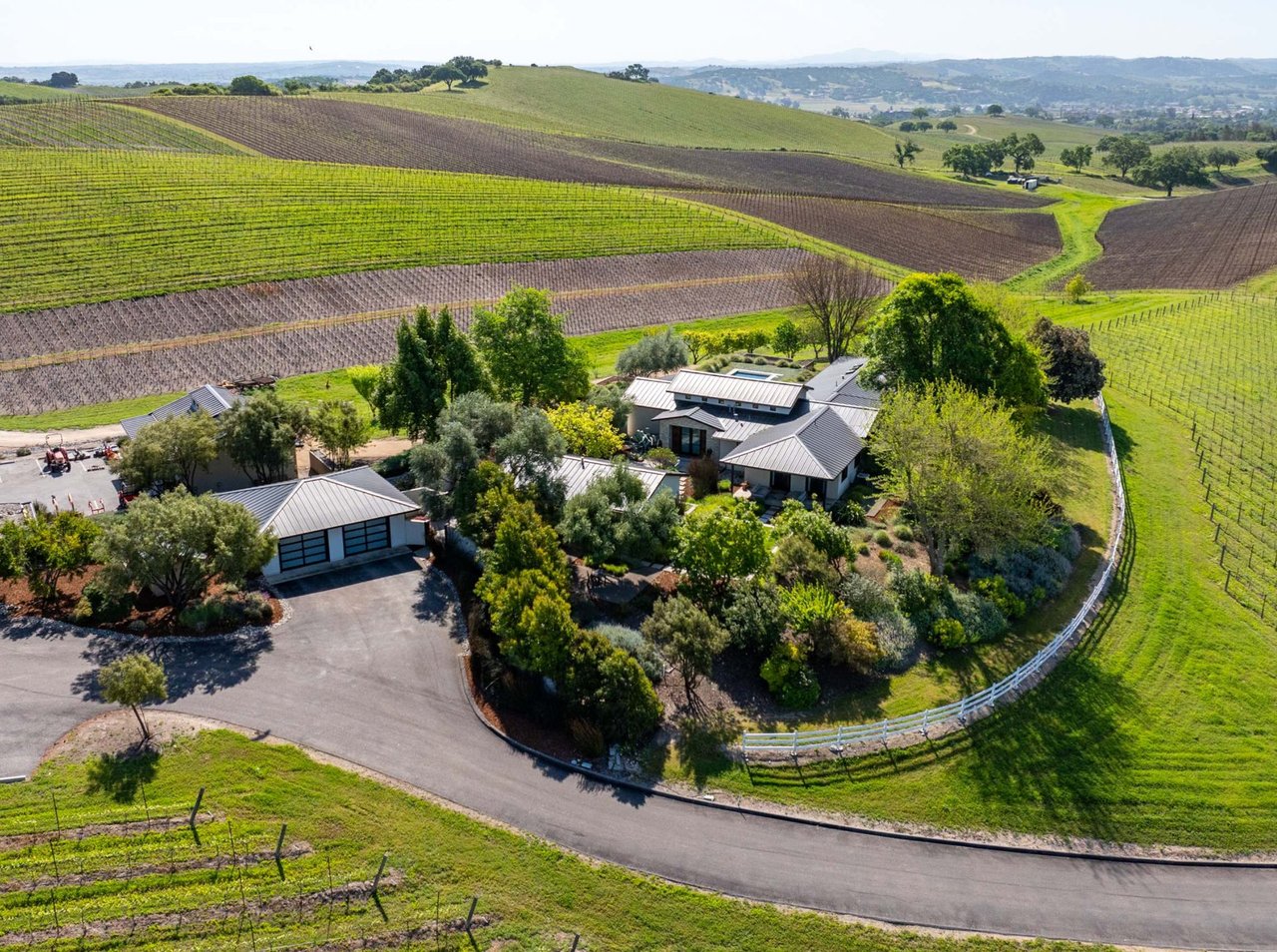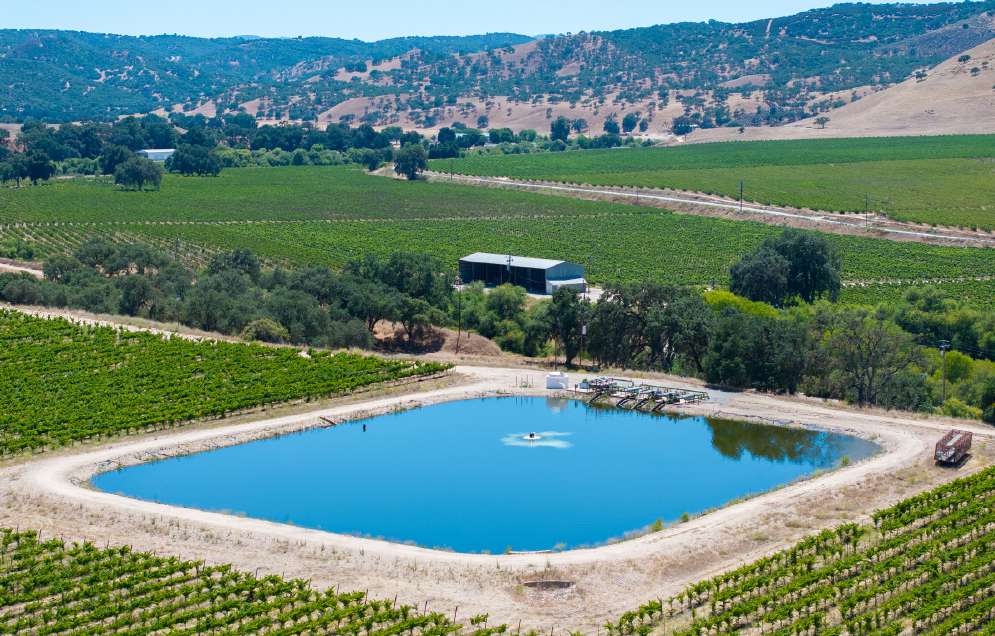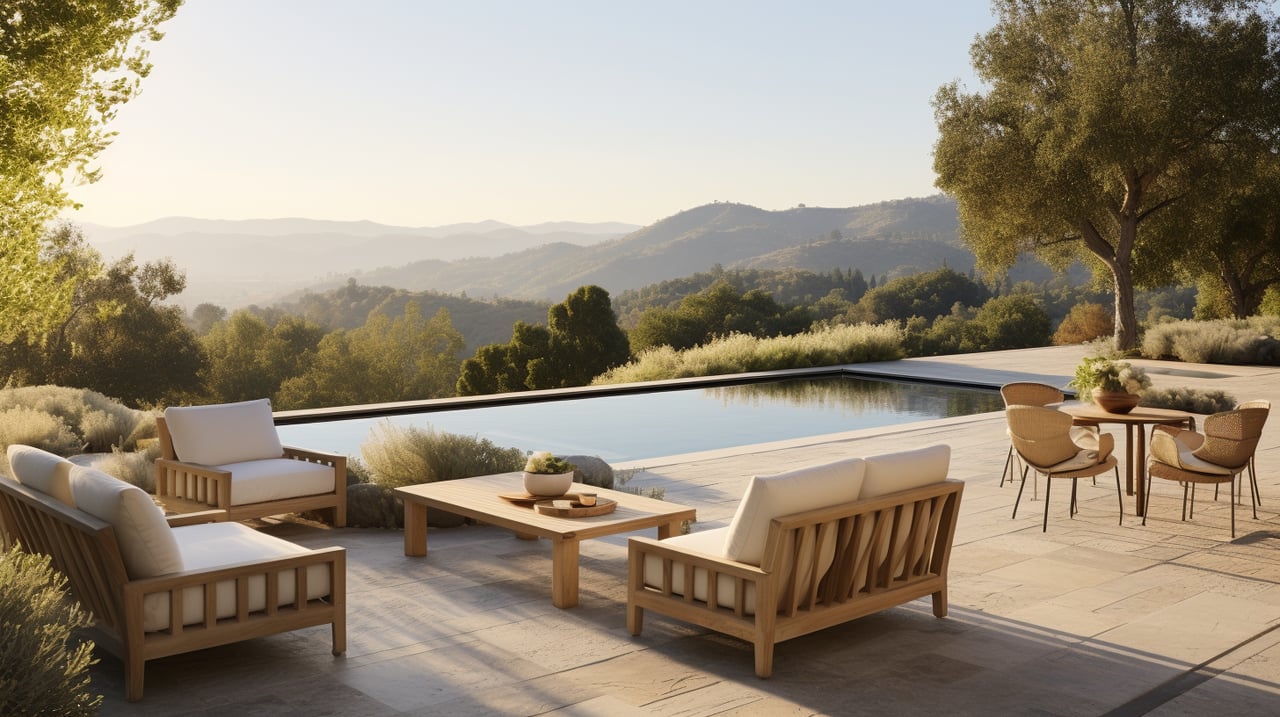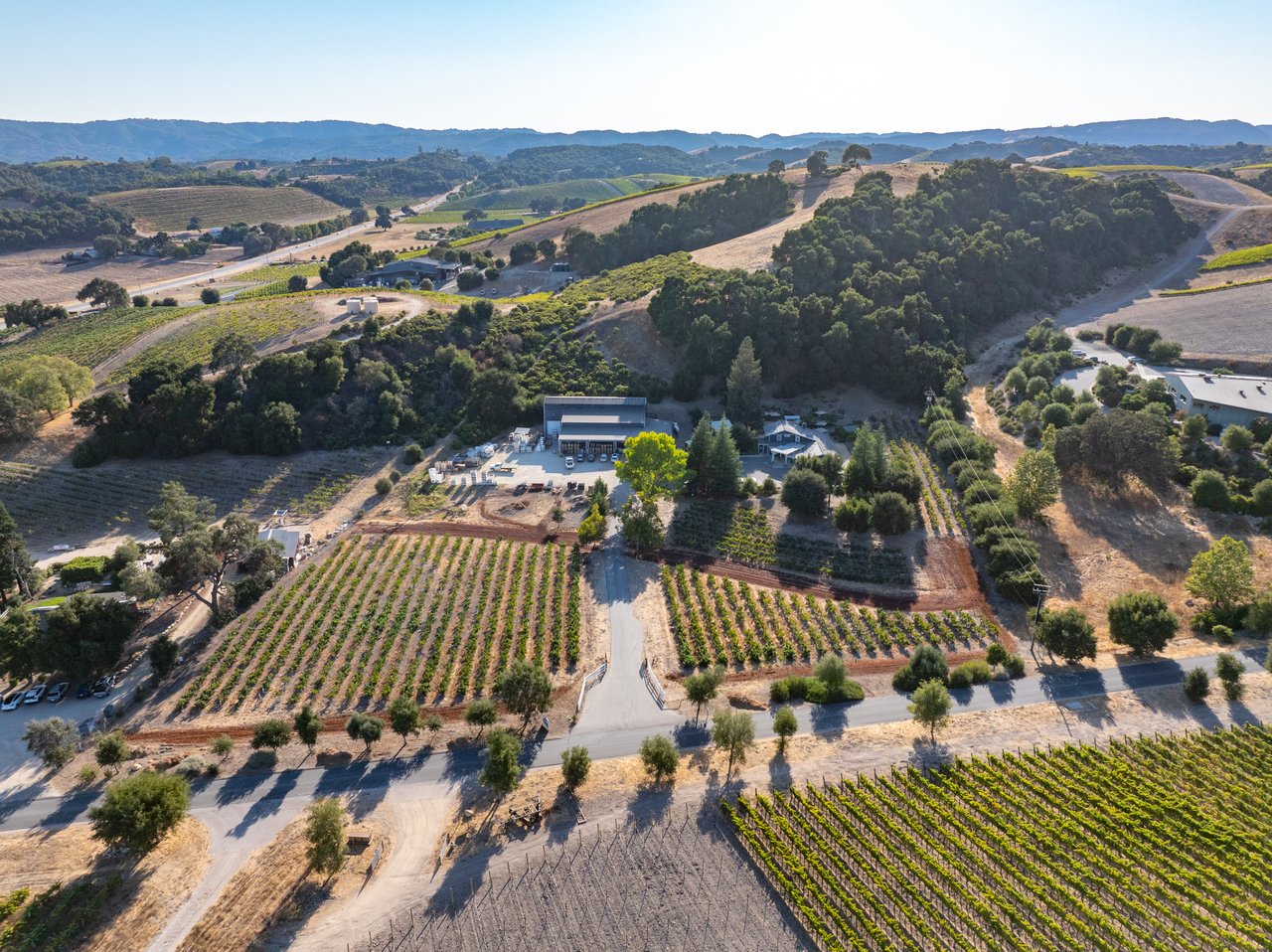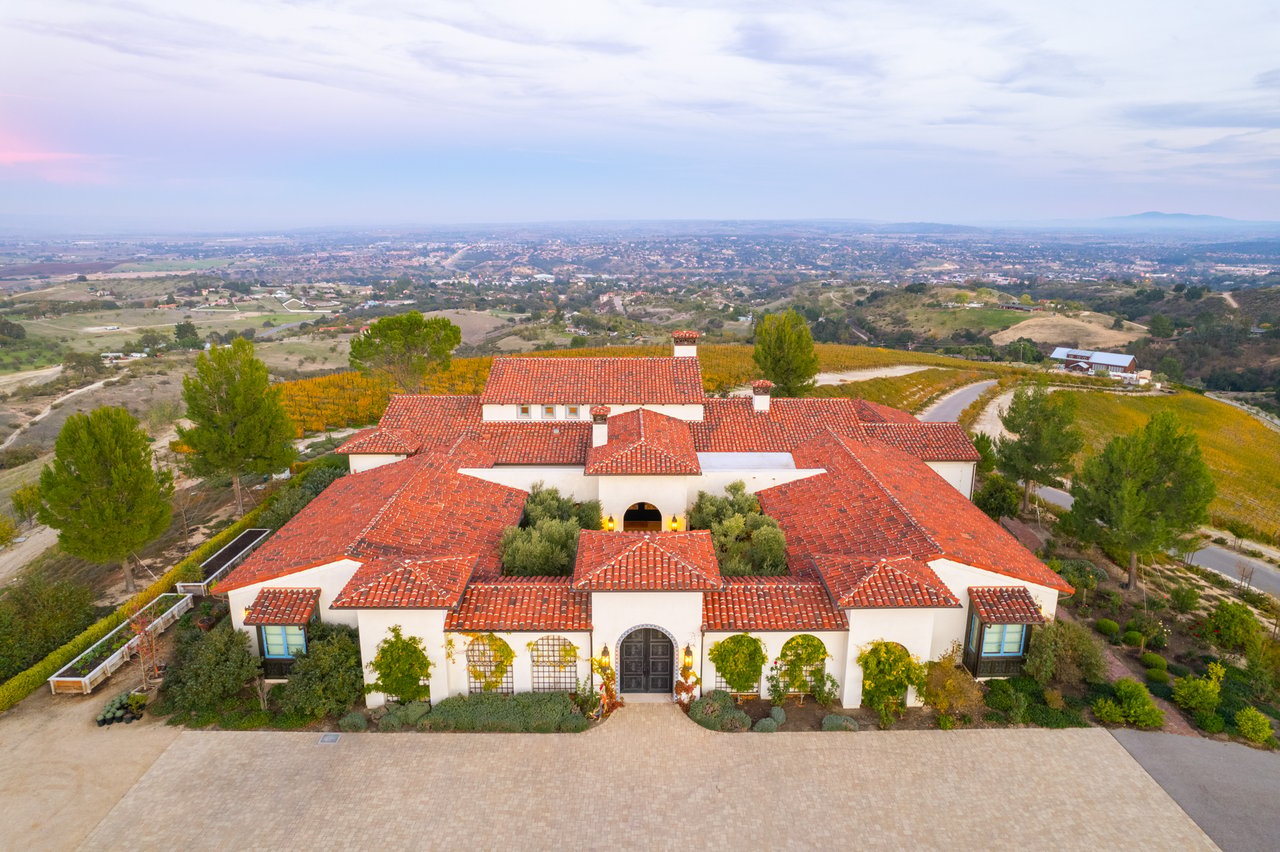
For the right California Central Coast wine country estate, an auction can be a very smart strategy. I am talking about rare lifestyle properties: the west side of Paso Robles, Santa Ynez, Los Olivos, Santa Barbara, Montecito, Carmel Valley, Pebble Beach-adjacent estates, and other high-end wine appellation markets where buyers are looking for privacy, architecture, acreage, vineyard views, guest houses, outdoor living, and the Central Coast lifestyle.
But I am also very clear about where auctions usually do not fit.
A luxury auction can work beautifully for an eight-figure lifestyle estate. It is usually not the right answer for a commercial winery, a true operating vineyard business, or a property where the value depends heavily on permits, production, tasting room income, inventory, wine club data, grape contracts, and regulatory approvals.
That distinction matters.
Why Central Coast Wine Country Lifestyle Estates Are Different
The Central Coast is not one market. It is a collection of very specific luxury lifestyle pockets.
The west side of Paso Robles has its own identity: oak-studded hills, vineyard views, limestone-influenced soils, estate wineries, ranches, and a more relaxed but increasingly sophisticated wine country lifestyle. Paso Robles Wine Country includes more than 40,000 vineyard acres and more than 200 wineries, with 11 AVAs including Adelaida District, Paso Robles Willow Creek District, Templeton Gap District, York Mountain, Santa Margarita Ranch, and others. (Paso Robles Wine Country Alliance) (Paso Robles Wine Country Alliance)
Santa Barbara wine country has a different feel. Santa Ynez, Los Olivos, Ballard, Los Alamos, Happy Canyon, Sta. Rita Hills, and Montecito all attract buyers for different reasons. Some want equestrian space. Some want proximity to Santa Barbara. Some want a vineyard setting. Some want a private compound where they can entertain family, friends, clients, and collectors. Santa Barbara County has seven federally recognized AVAs, including Santa Maria Valley, Santa Ynez Valley, Sta. Rita Hills, Ballard Canyon, Los Olivos District, Happy Canyon of Santa Barbara, and Alisos Canyon. The Santa Barbara wine industry also carries real economic weight, with Santa Barbara Vintners reporting a $1.7 billion annual wine economic impact. (Santa Barbara County Vintners) (Santa Barbara County Vintners)
Then there is Monterey County and the Carmel side of the Central Coast. Carmel Valley, Santa Lucia Highlands, Pebble Beach, and the Monterey Peninsula bring a combination of wine, golf, coastal access, privacy, and legacy wealth. Monterey County includes nine large AVAs, including Carmel Valley and Santa Lucia Highlands, and the region contains more than 349 unique vineyards. Santa Lucia Highlands alone is known for Pinot Noir and Chardonnay and includes roughly 5,000 acres of vinifera grapevines. (Monterey Vintners Association) (Santa Lucia Highlands)
These are not commodity markets. These are emotional markets.
A buyer is not just asking, “How many acres?” or “What is the price per square foot?” They are asking:
Can I see myself here?
Can I host here?
Can I escape here?
Can I create a family compound here?
Can I own something that feels rare?
That is why auctions can make sense for the right lifestyle estate.
The Problem With Sitting for Years and Chasing Price
In the luxury market, time can become the enemy.
A traditional listing can launch with excitement, but if the right buyer does not show up quickly, the story starts to change. At first, people talk about the property. Then they talk about the price. Then they talk about how long it has been on the market.
That is when sellers start chasing the market.
A price reduction becomes the new marketing event. Then another reduction. Then another round of calls to the same agents. The property may still be incredible, but buyers start to wonder why it has not sold.
For unique Central Coast estates, this can be especially frustrating because the buyer pool is naturally limited. There may only be a handful of qualified buyers at any given time who understand the value of a $10 million, $15 million, or $20 million wine country estate.
Auction changes the psychology.
Instead of waiting indefinitely, an auction creates a defined campaign, a deadline, and a reason for buyers to act. It compresses attention. It creates urgency. It forces the market to respond.
That does not mean every property should go to auction. But for the right lifestyle estate, the auction process can prevent years of stale marketing and repeated price chasing.
What the Auction House Brings
VPRE works alongside top, globally recognized luxury auction houses. That relationship matters because the auction house brings reach, structure, database marketing, bidder registration, auction mechanics, and a defined process.
The strongest auction houses are not simply “putting a property on the block.” They are running a concentrated marketing campaign designed to identify qualified buyers, push them through diligence, and create a competitive event.
One leading global luxury auction platform publicly reported nearly 1 million proprietary contacts after surpassing $5 billion in historic global sales. The same company described its private client reach as including 250+ billionaires, founders, and family offices.
That type of reach is difficult to duplicate with a traditional listing alone.
Some auction companies use open bidding, where buyers can see the competitive activity. Others use sealed bids, which can feel more like a structured highest-and-best process. Some charge seller retainers or seller-funded marketing investments. Others may not require an upfront marketing fee. Some rely more heavily on a buyer premium. Others combine buyer premiums with traditional commission structures.
The details vary by platform, and that is why the choice of auction house matters.
Based on the luxury auction platform evaluation notes we reviewed, the common themes across top firms include concentrated marketing, buyer qualification, property previews, upfront due diligence, disclosure preparation, title review, as-is sale structures, and roughly seven-to-eight-week campaign timelines. The notes also show that fee structures, bidding formats, seller investment requirements, and agent involvement vary significantly from firm to firm.
What VPRE Brings to the Auction Process
The auction house brings the platform.
VPRE brings the boots on the ground.
That is the part sellers should not underestimate.
A luxury auction still needs local execution. It needs the property to be positioned correctly. It needs the right local story. It needs showings handled properly. It needs regional agents engaged. It needs disclosures, inspections, title, access, staging, photography, videography, land details, vineyard information, and property history organized before the campaign goes live.
That is where VPRE comes in.
We work alongside the auction house to help make sure the property is not just exposed to a database, but actually understood by the right buyers.
For a west side Paso Robles estate, that may mean explaining why Adelaida, Willow Creek, Templeton Gap, or York Mountain positioning matters.
For a Santa Ynez or Los Olivos estate, it may mean telling the lifestyle story around privacy, equestrian improvements, wine access, guest accommodations, and proximity to Santa Barbara.
For a Carmel Valley or Pebble Beach-adjacent estate, it may mean emphasizing coastal access, privacy, golf, legacy ownership, and the connection between Monterey wine country and the Peninsula lifestyle.
The auction house can create global reach. VPRE helps translate the property into a local and regional story that buyers understand.
That combination is where the strategy works best.
The Central Coast Luxury Market Supports This Conversation
Recent market data shows why a focused strategy matters.
In May 2026, Realtor.com reported Paso Robles at a median listing price of $899,000 with a median 51 days on market. That is the broader citywide market, not the eight-figure estate market, but it shows a strong baseline in one of the Central Coast’s most important wine country regions. (Realtor)
In Santa Barbara County, Realtor.com reported a median listing price of approximately $1.5 million and a median 44 days on market. But the luxury pockets tell a more specific story: Montecito showed a median listing price of $7.724 million, Los Olivos showed $3.842 million, and Santa Ynez showed $3.65 million. (Realtor) (Realtor) (Realtor) (Realtor)
On the Monterey side, Pebble Beach showed a median listing price of $3.547 million with a median 55 days on market, while Carmel Valley showed a median listing price of $1.824 million with a median 69 days on market. (Realtor) (Realtor)
The takeaway is not that every luxury estate will sell in 44, 55, or 69 days. It will not.
The takeaway is that these are already high-value markets, and the very top of the market needs more than passive exposure. An eight-figure estate needs a strategy that reaches beyond the local MLS and creates a reason for qualified buyers to engage now.
Where Auctions Work Best
In my opinion, auctions are strongest for lifestyle-driven properties.
These are estates where the value is tied to the experience of ownership:
Privacy.
Architecture.
Views.
Guest houses.
Pool and outdoor living.
Vineyard scenery.
Entertaining spaces.
Equestrian facilities.
A hobby vineyard or olive orchard.
Proximity to great wine, food, golf, beaches, or the coast.
A property like this may be difficult to price because there are no perfect comparable sales. It may be one of one. It may have a house, a guest house, acreage, a vineyard backdrop, a barn, a pool, a wellness component, and views that are hard to quantify on a spreadsheet.
That is where auction can be helpful.
The auction process can bring the property to a larger audience, create competition, and let the market speak within a defined timeframe.
This is especially true when the seller values speed and certainty more than sitting on the market for years hoping for the perfect buyer to appear.
If you're deciding between an auction strategy and a traditional listing, our Paso Robles luxury properties page shows what's currently available through the standard sales process.
Where I Draw the Line: Commercial Wineries and Operating Vineyards
This is where I get very cautious.
A commercial winery is not just real estate. An operating vineyard business is not just acreage.
The buyer is not only buying land, vines, buildings, and views. The buyer is underwriting a business.
That means permits, production rights, ABC licensing, TTB requirements, tasting room entitlements, visitation limits, wastewater, water, wells, vineyard health, contracts, employees, wine club revenue, inventory, equipment, distribution, brand value, grape purchase agreements, and financial performance.
That is a very different transaction.
TTB guidance explains that in certain winery ownership or control changes, regulated operations may need to stop if required applications are not filed or approved properly. California ABC also states that license transfers may involve zoning approval, escrow, county recorder documents, district office appearances, and personal history information. (TTB) (Alcoholic Beverage Control)
That kind of diligence is not something I like to rush.
The wine business itself has also been going through a challenging period. SVB’s 2026 State of the U.S. Wine Industry report estimated 2025 U.S. wine volume at about 329 million cases, down from 335.9 million in 2024, while also noting pressure on smaller hospitality-focused wineries, including declining tasting room visits and average check sizes. (Stock Titan) (Wine Business)
That does not mean commercial wineries and vineyards cannot sell.
They absolutely can.
But most of the time, they need a more specialized process. They need deeper diligence, confidentiality, financial review, permit review, buyer education, and a buyer pool that understands winery operations.
A residential lifestyle estate can be sold around emotion and urgency.
A commercial winery needs to be sold around operations, compliance, and underwriting.
That is the difference.
Lifestyle Estate vs. Winery Business
This is the simplest way to think about it.
If the property is primarily a luxury residence with acreage, views, privacy, and wine country ambiance, auction may be a strong option.
If the property is primarily an operating winery, tasting room, vineyard production asset, or wine business, auction is usually not my first recommendation.
A lifestyle buyer wants to know what it feels like to live there.
A winery buyer wants to know whether the permits, production, financials, water, compliance, and business model work.
Those are not the same buyer conversations.
That is why VPRE is careful about when we recommend auction.
We are not trying to force every property into the same strategy. We are trying to match the asset to the right sale process.
Why the VPRE and Auction House Combination Works
The best auction outcomes usually come from combining global reach with local execution.
The auction house brings the database, marketing platform, bidder systems, auction format, and campaign discipline.
VPRE brings the Central Coast knowledge, vineyard and estate experience, local agent relationships, seller preparation, regional positioning, and boots-on-the-ground coordination.
That matters because a luxury auction campaign moves quickly. Once the campaign starts, there is no time to figure out the basics. The property needs to be ready. The story needs to be right. The due diligence needs to be organized. The access needs to be controlled. The local market needs to know how to talk about the opportunity.
When all of that is done correctly, an auction can do something a traditional listing often struggles to do: create urgency.
Not fake urgency.
Real urgency.
A deadline. A campaign. A reason to act. A reason for buyers to engage now instead of waiting for the next price reduction.
For the right Central Coast wine country lifestyle estate, that can be the difference between sitting for years and moving with purpose.
Final Thought
Luxury auctions are not for every property.
But for the right eight-figure lifestyle estate in California’s Central Coast wine country, they can be a powerful strategy.
The best candidates are rare properties in places like the west side of Paso Robles, Santa Ynez, Los Olivos, Santa Barbara, Montecito, Carmel Valley, Pebble Beach, Santa Lucia Highlands, and other prestige wine country pockets where the value is rooted in lifestyle, privacy, views, architecture, acreage, and emotion.
The wrong candidates are usually commercial wineries and operating vineyard businesses where the value depends on permits, production, licenses, tasting room income, inventory, compliance, and financial performance.
At VPRE, our first question is not, “Should we auction it?”
Our first question is, “What are we really selling?”
If we are selling a luxury lifestyle estate, auction may be one of the most effective tools available.
If we are selling a commercial wine business, we usually need a different playbook.
That is the value of working with a team that understands both luxury real estate and wine country property.
Discuss a Central Coast Wine Country Estate Strategy