Water has always shaped agricultural value in California. For vineyard, ranch, and agricultural properties in Paso Robles, it is now one of the first issues serious buyers, sellers, lenders, and investors evaluate.
That does not mean every Paso Robles property should be viewed through the same lens as heavily impacted areas of the San Joaquin Valley. It does mean that water access, basin location, well documentation, irrigation demand, and local groundwater governance are now part of the value conversation from the beginning.
For landowners preparing to sell, and for buyers evaluating vineyard or agricultural property, the question is no longer simply, “Does the property have water?” The better question is, “What is the source, how reliable is it, what basin is it in, what rules apply, and how does that water position support the property’s long term use?”
SGMA Does Apply in Paso Robles
There is sometimes confusion around this issue because Paso Robles has local agencies, water districts, and groundwater management structures already in place. Those local structures do not mean SGMA does not apply. In fact, local management is the way SGMA is designed to work.
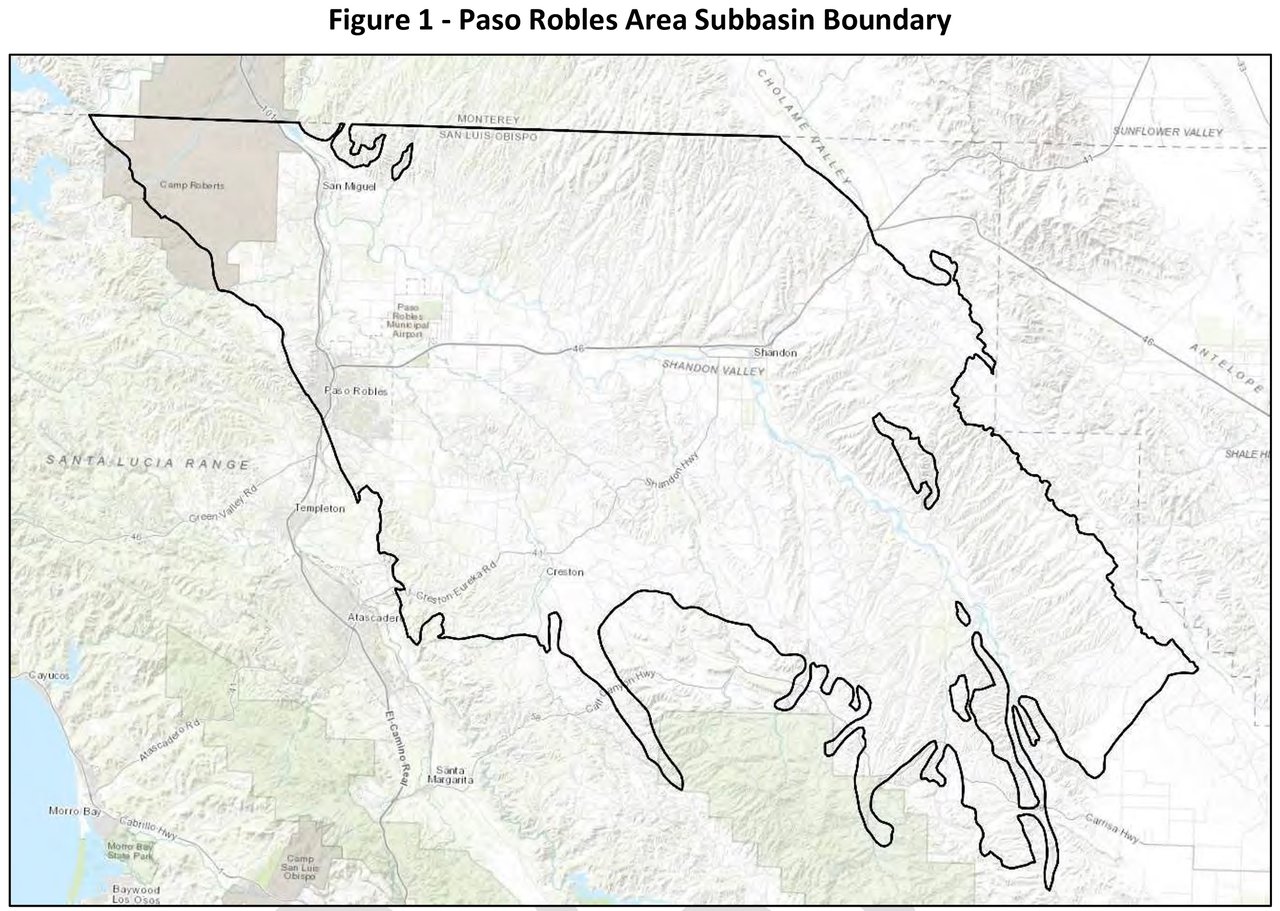
The Paso Robles Area Subbasin is managed through local Groundwater Sustainability Agencies and a Groundwater Sustainability Plan. The purpose of that plan is to guide the basin toward long term sustainability. This makes SGMA directly relevant to agricultural real estate in the Paso Robles area, even though the local impacts, timelines, property types, and water risks vary from one property to another.
For real estate purposes, the takeaway is straightforward: SGMA is not just a policy topic. It is a due diligence topic.
Why This Matters for Vineyard and Agricultural Property
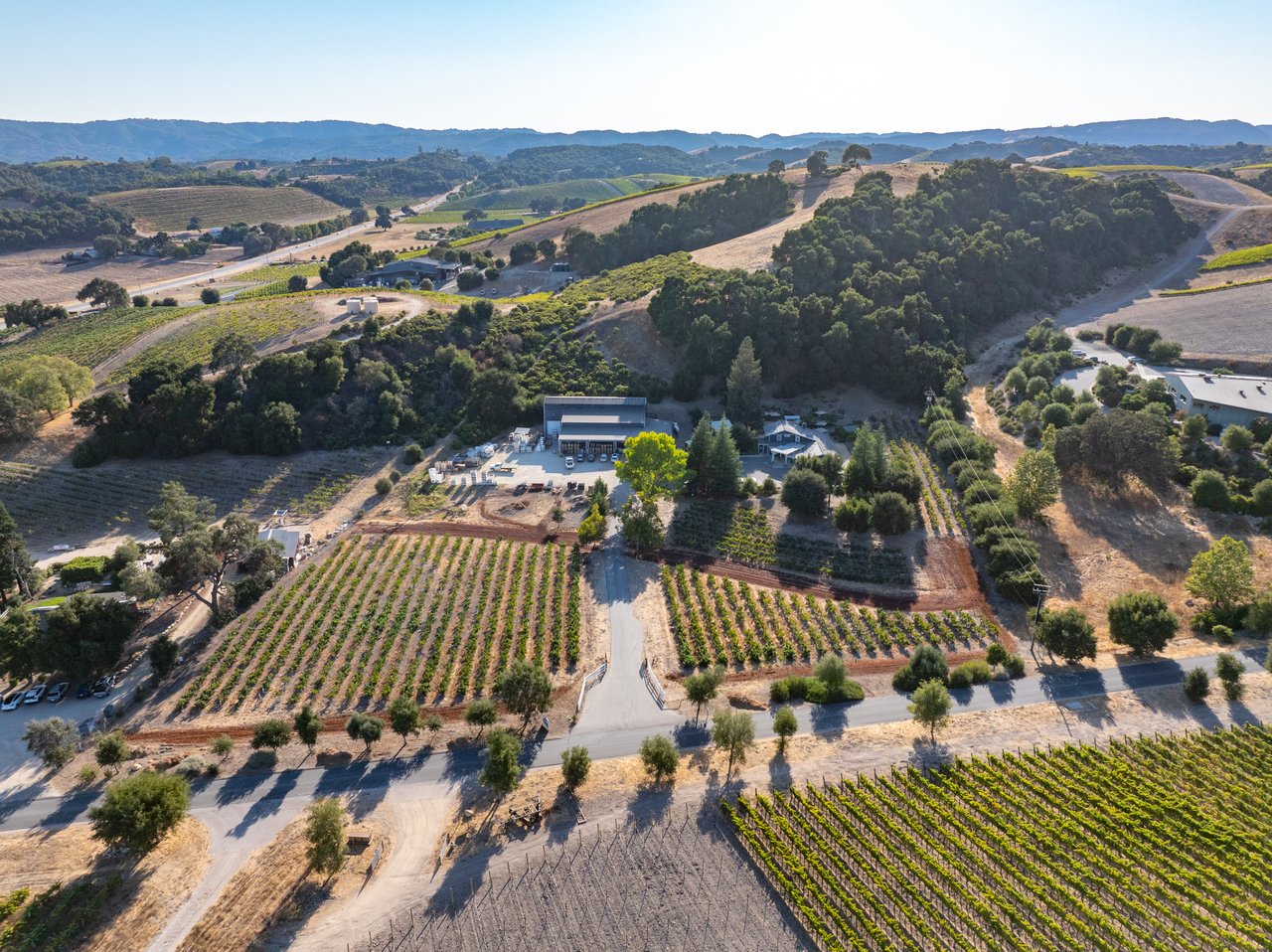
Paso Robles is a layered agricultural market. A vineyard or ranch property may carry value from production, estate use, residential improvements, winery potential, lifestyle appeal, open land, water infrastructure, location, views, and long term land utility.
That complexity is exactly why water due diligence matters.
Two properties may look similar on acreage, plantings, and setting, but have very different water profiles. One may have strong well history, thoughtful irrigation infrastructure, and a clearer position within the basin. Another may require deeper review because of uncertain well performance, limited documentation, higher irrigation demand, or greater exposure to future groundwater management costs.
Buyers notice those differences. Lenders notice those differences. Sophisticated agricultural investors notice those differences.
The Real Estate Impact Is About Confidence
In today’s market, strong water documentation can create confidence. Weak or incomplete water information can create uncertainty.
That does not automatically mean a property has a problem. It means the buyer has more questions to answer before moving forward. In a higher value vineyard, ranch, or agricultural transaction, unanswered questions can affect pricing, timing, financing, negotiations, and buyer willingness to proceed.
For sellers, preparation matters. A well organized listing should help qualified buyers understand the property’s water picture as clearly as possible. Depending on the property, that may include well logs, pump test information, production history, irrigation details, water district information, basin maps, GSA context, and any available documentation related to historical use or system capacity.
For buyers, due diligence should go beyond the marketing materials. Water should be evaluated with the appropriate professionals, including well, pump, hydrology, vineyard, legal, and land use advisors where needed.
Paso Robles Is Not a One Size Fits All Market
It is important not to overgeneralize. Paso Robles includes a wide range of properties, from westside vineyard estates and winery properties to eastside agricultural land, rural residential parcels, grazing ground, and mixed use ranches.
Some properties are primarily agricultural. Others are driven more by residential, estate, recreational, hospitality, or long term land value. In many cases, the best strategy is not to focus narrowly on vineyard acreage alone, but to understand the full value picture: land, water, improvements, setting, access, location, and buyer demand.
That is especially important in a market where not every buyer is evaluating land the same way. A production focused vineyard buyer may care deeply about irrigation capacity, vine age, yields, and water cost. A lifestyle or estate buyer may place more weight on privacy, residence quality, views, usable land, and overall setting. An institutional or strategic buyer may evaluate long term water security, compliance exposure, operational efficiency, and scalability.
The right positioning depends on knowing which value story the property can credibly support.
What Sellers Should Prepare Before Going to Market
For agricultural and vineyard properties in the Paso Robles area, sellers should begin organizing water-related information early. This can reduce friction once a buyer is in due diligence and help the property come to market with a more complete story.
Helpful materials may include:
- Well logs, pump tests, and well service history
- Water system maps and irrigation infrastructure details
- Vineyard or crop water use information
- Reservoir, storage, or distribution system details
- Water district or GSA information, if applicable
- Basin location and parcel mapping
- Any available reports from engineers, pump companies, hydrologists, vineyard managers, or farm managers
The goal is not to overwhelm buyers. The goal is to present the property in a way that is credible, organized, and transparent.
For a closer look at how we help sellers prepare water documentation and organize the rest of the sale, our Vineyard & Winery Sellers guide covers that process in more detail.
What Buyers Should Ask
Buyers should look closely at the property’s water source, quality, quantity, infrastructure, and regulatory context. They should also ask whether the current use is sustainable for the long term, whether future costs may change, and whether the property has alternative value if agricultural use changes over time.
For vineyard buyers, that means looking at water in relation to the actual vineyard operation, not as a standalone item. Vine age, varietals, soil, irrigation design, farming practices, production history, and water demand all work together.
For ranch and estate buyers, water may support a different value story, including livestock, landscaping, gardens, privacy, open space, or future agricultural use. The level of water analysis should fit the property and the buyer’s intended use.
The Bottom Line
SGMA is relevant to Paso Robles, but the right message is not alarm. The right message is clarity.
Water security, basin governance, and long term land use are now part of smart real estate strategy for vineyard, ranch, and agricultural properties. Properties with clear documentation and a well understood water position are easier for buyers to evaluate. Properties with unanswered questions may still have strong value, but they require more careful positioning and due diligence.
At Vineyard Professional Real Estate, we help clients look beyond acreage alone and understand the full value picture: land, water, improvements, location, agricultural utility, lifestyle appeal, and buyer demand. In a market as nuanced as Paso Robles, that level of guidance matters.
Water has always been part of the story. Today, it needs to be part of the strategy.
Click here to Join our exclusive market insights newsletter.