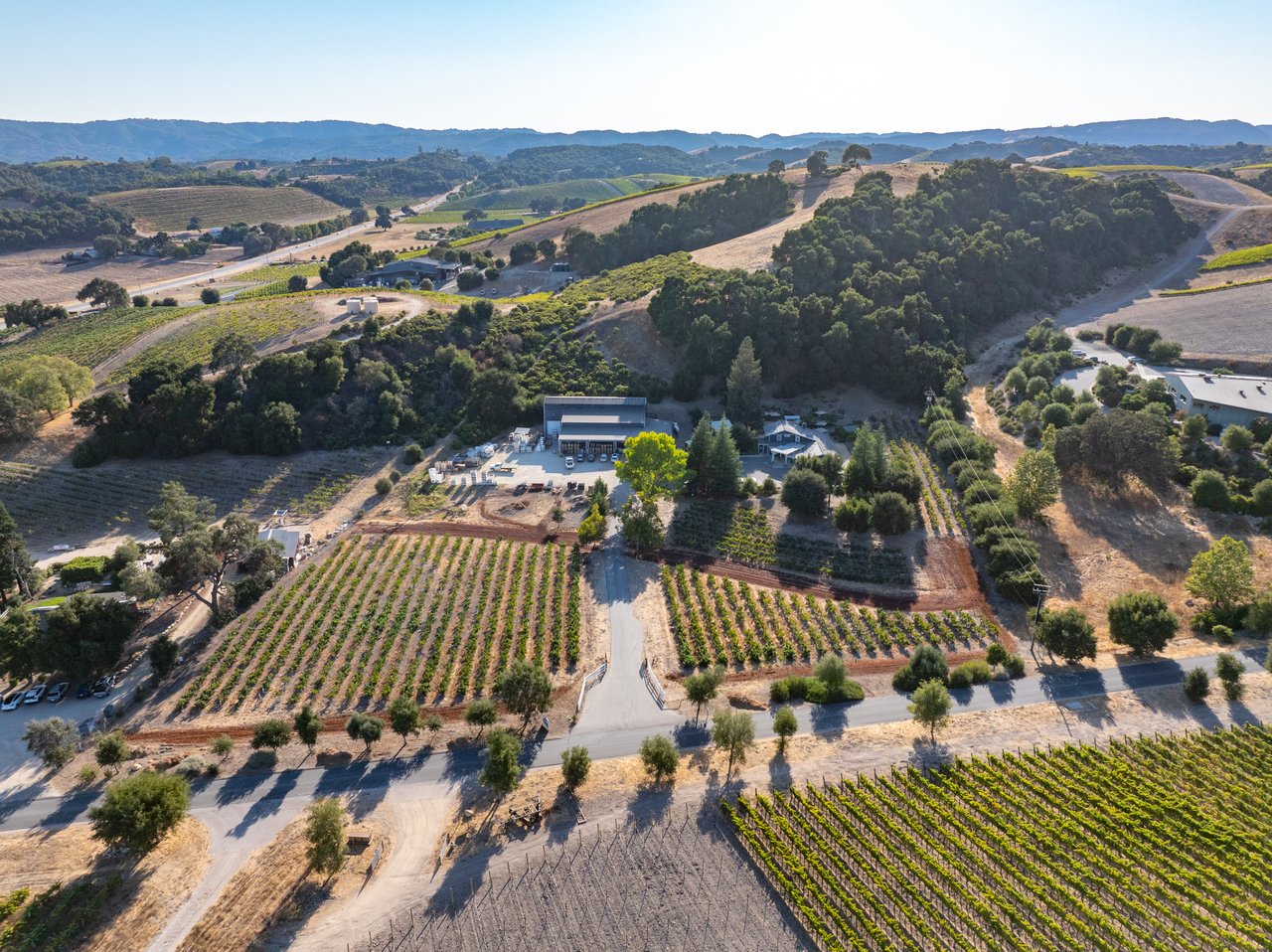
Why Now May Be the Time to Buy California Vineyard and Winery Property
California's wine industry is moving through one of its most significant corrections in decades. Wine consumption has declined, grape contracts have become harder to secure, vineyard removals are accelerating, and owners, wineries, lenders, and investors are reassessing assets that may no longer perform as originally intended. For prepared buyers, this shifting landscape may create a rare window to buy California vineyard property on favorable terms.
For many vineyard owners, including myself, this is not simply a market cycle we are observing from a distance. We are living it.
We understand the pressure created by rising farming costs, uncertain grape demand, changing contracts, and difficult decisions about whether to continue farming, remove vines, or reposition a property for another use.
This is an undeniably challenging period for California agriculture. It may also represent one of the most important acquisition windows for qualified buyers in years.
At Vineyard Professional Real Estate, our best estimate is that the California wine business could reach its economic bottom between late 2026 and mid 2027. Transaction activity may begin improving during 2028, followed by a more meaningful recovery in select property values beginning in 2029.
However, one major variable could accelerate or delay that timeline: the size of California's 2026 wine grape crop.
Why the 2026 Wine Grape Crop Matters
The 2026 California wine grape crop may be one of the most important determining factors in how long it takes the industry to reach bottom and begin stabilizing.
California crushed approximately 2.63 million tons of wine grapes in 2025, the smallest wine grape crop since 1999 and approximately 23 percent below the five-year average. That reduction was painful for growers, but it also helped reduce the supply imbalance that has weighed on grape prices, bulk wine inventories, and vineyard economics.
Now the industry must see what 2026 produces.
A smaller or carefully managed 2026 crop would help wineries work through existing inventory and could move grape supply closer to actual consumer demand. That could support earlier stabilization in grape pricing and contract activity.
A substantially larger crop, particularly if wine shipments and consumer demand remain soft, could add inventory back into the system and extend the correction. It could mean more unsold fruit, additional pressure on grape prices, further vineyard removals, and a longer road to recovery.
The crop size alone will not determine the outcome. Wine shipments, bulk inventory, imports, consumer behavior, vineyard removals, and winery purchasing decisions will also matter. But the 2026 harvest will provide one of the clearest signals of whether California is moving toward balance or prolonging its oversupply.
What We Are Seeing in the Real Estate Market
Despite the challenges facing the industry, qualified buyers are active.
Vineyard Professional Real Estate has sold approximately $29 million in vineyard and winery properties year to date, including four vineyard properties and one commercial winery production facility.
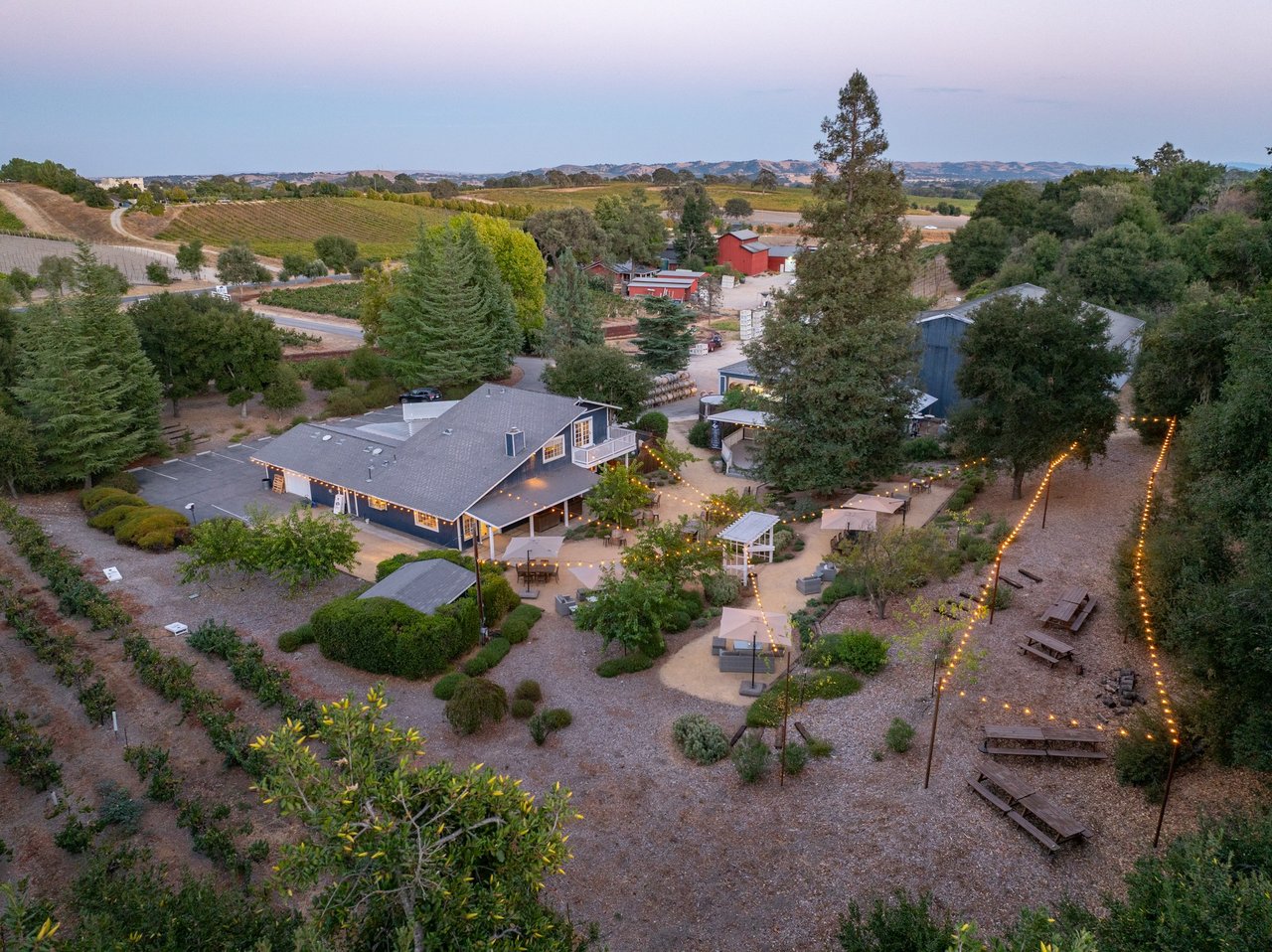
These results reflect steady interest in California vineyards for sale and California wineries for sale, particularly along the Central Coast. See our recent vineyard and winery comps for examples of this activity.
These transactions demonstrate that buyers have not abandoned California wine country real estate. They have become more disciplined and selective.
Today's buyers are carefully evaluating:
- Water availability and long-term water security
- Existing grape contracts and buyer relationships
- Vineyard age, health, variety, yield, and farming costs
- Winery capacity and the practical utility of production improvements
- Residential and commercial improvements
- Alternative agricultural uses
- The underlying value of the land
- The cost of replacing existing infrastructure
- The property's ability to perform under more than one operating strategy
Some vineyards are continuing in production. Others are being removed or evaluated for repurposing, including cattle grazing, alternative crops, or broader agricultural uses.
That does not necessarily mean the land has lost its value.
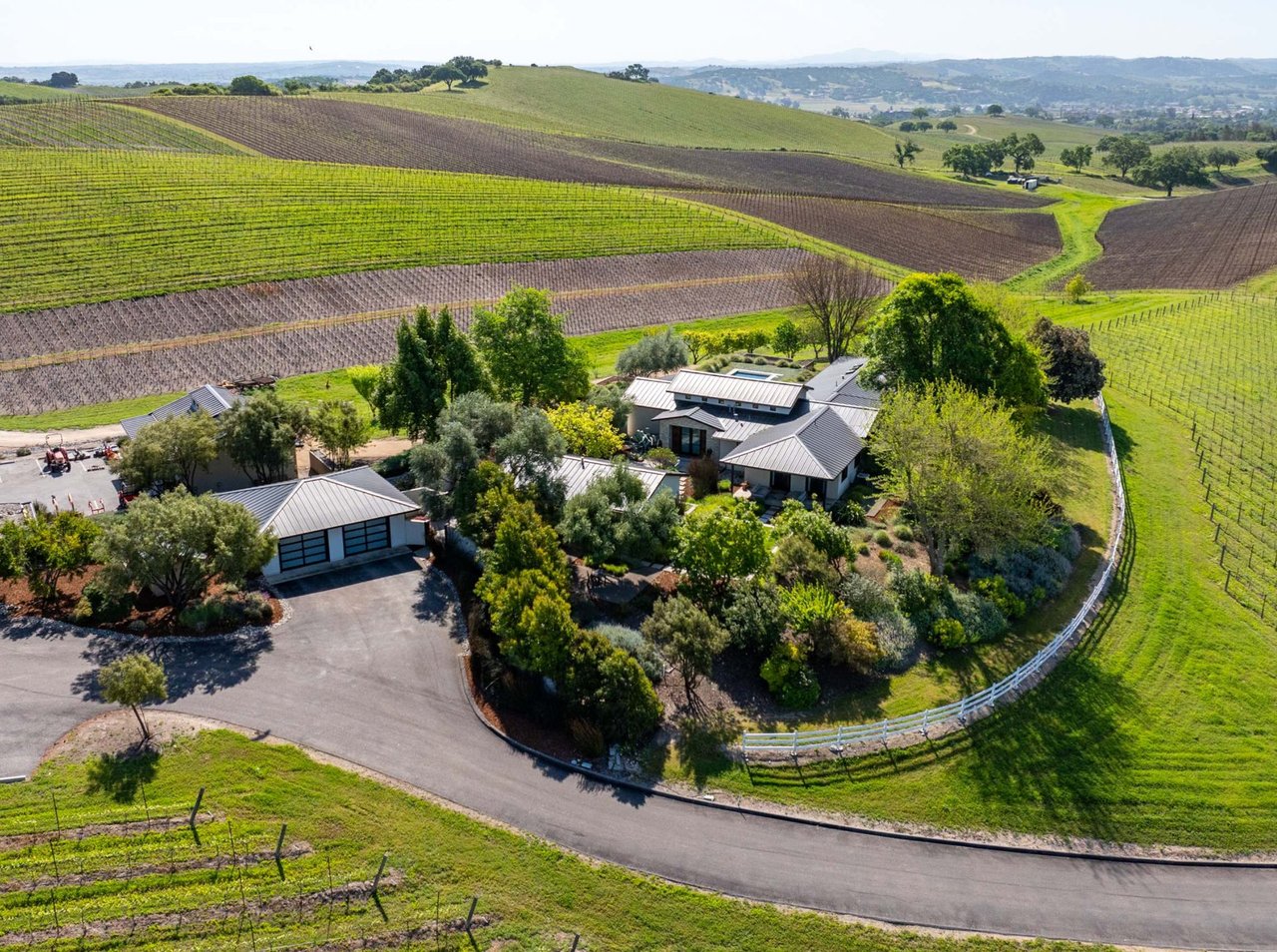
In some cases, removing vines can reduce farming costs and allow a property to support a more practical agricultural, residential, or long-term investment strategy. Water systems, wells, roads, barns, equipment facilities, homes, fencing, and other improvements may continue to contribute meaningful value, even when the vineyard itself is no longer the property's highest and best use.
The most sophisticated buyers are evaluating the entire property, not simply counting planted acres.
Why Buyers Should Pay Attention Now
Real estate markets rarely announce the bottom when it happens.
By the time grape prices, wine shipments, and industry confidence clearly improve, the strongest opportunities may already have traded. Buyers waiting for unanimous proof of a recovery could miss the period when motivated sellers, lenders, and strategic owners are most willing to negotiate.
That is why we believe now is the time for prepared buyers to enter the market.
This does not mean buying indiscriminately. It means developing a clear acquisition strategy, building relationships, studying opportunities, and becoming ready to act when the right property becomes available.
During the next 12 to 18 months, we expect to see opportunities involving:
- Bank-owned vineyard properties and lender-controlled assets
- Vineyard owners facing expiring or reduced grape contracts
- Wine companies consolidating vineyards or production facilities
- Agricultural properties priced closer to underlying land value
- Vineyards that could support alternative crops or cattle grazing
- Water-secure properties with long-term agricultural utility
- Commercial winery facilities offered below replacement cost
- Owners seeking strategic exits, partnerships, or recapitalization
Not every distressed property is a good investment. An attractive price can be overwhelmed by deferred maintenance, aging vines, disease, water limitations, obsolete improvements, or unsupported winery capacity.
The opportunity lies in identifying properties where the land, water, location, improvements, agricultural utility, and purchase price create a credible path forward.
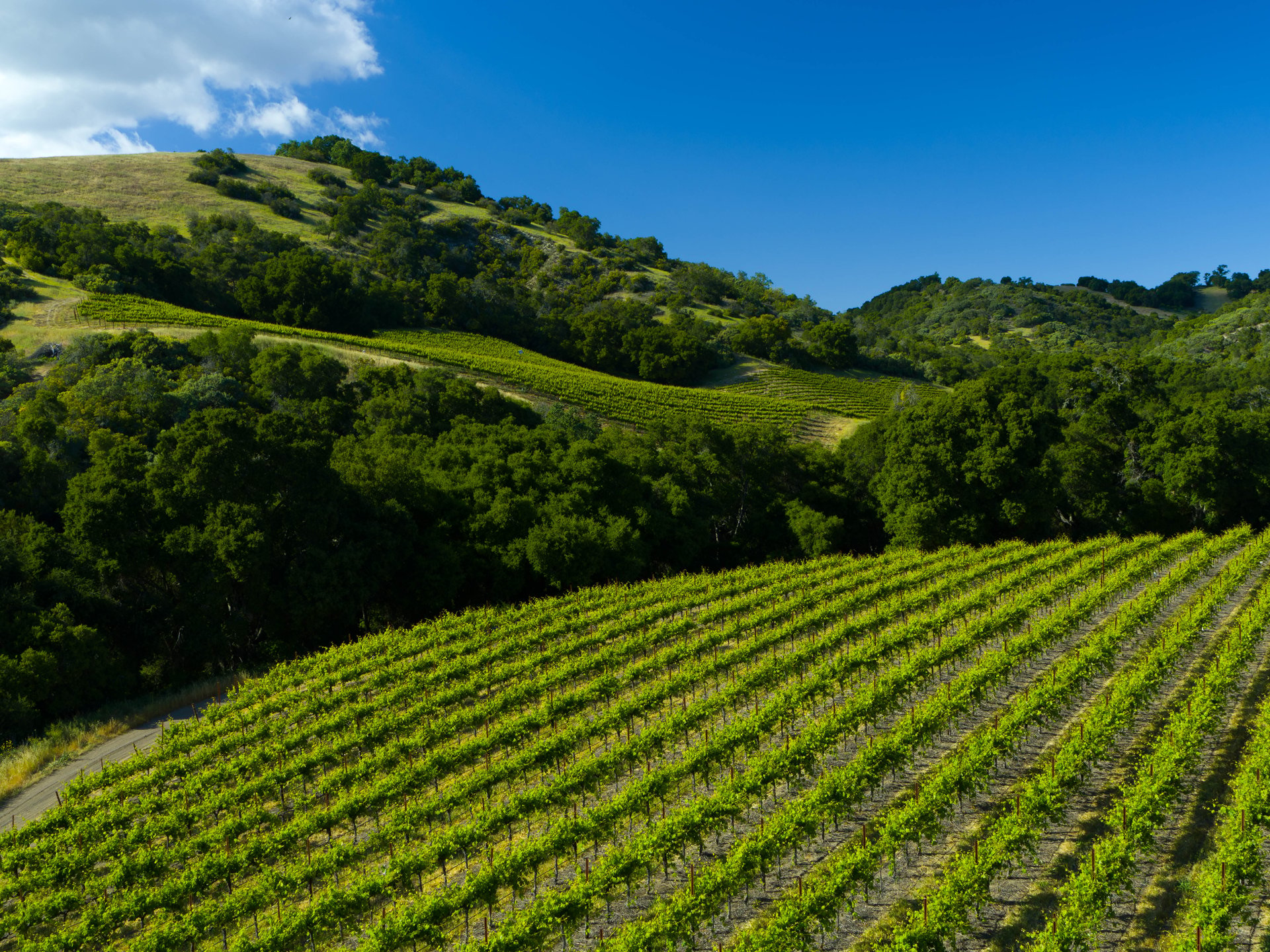
The Central Coast Offers More Than Vineyard Acreage
Paso Robles and the broader Central Coast offer a combination of agricultural scale, water infrastructure, residential appeal, commercial utility, and land use versatility that is difficult to find in many California wine regions. This makes Paso Robles vineyards for sale and Central Coast vineyard investment opportunities, including California winery real estate, especially compelling for buyers focused on long-term agricultural value.
Large, producing vineyards with secure water, healthy vines, efficient farming systems, reliable yields, and credible grape contracts should be among the first assets to attract stronger demand. These properties remain relevant to wine companies, institutional investors, agricultural funds, family offices, and private buyers seeking productive land.
Other properties may find their next chapter through a different use.
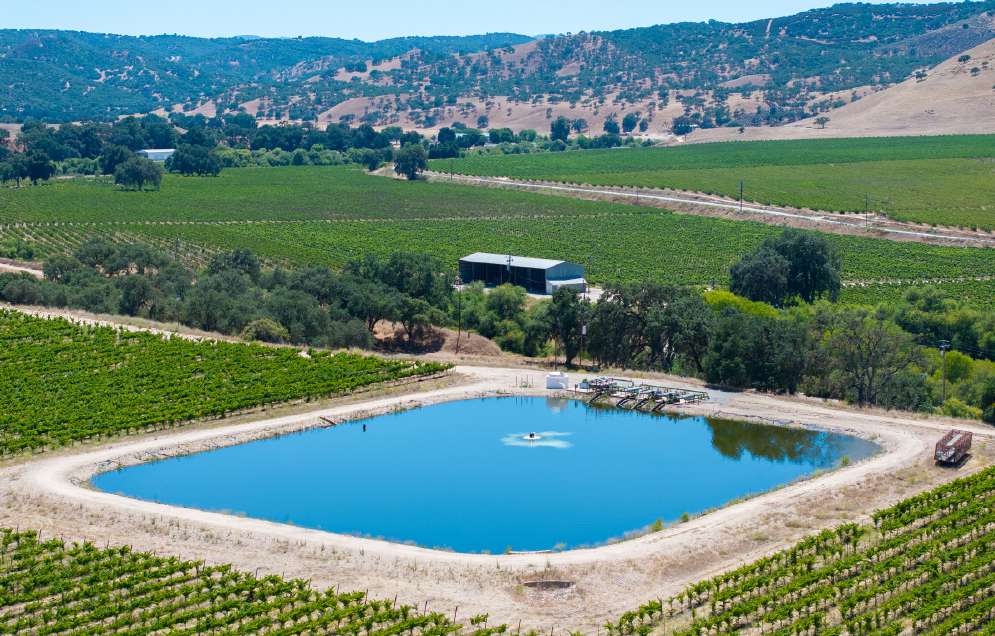
A vineyard without a viable grape contract may still offer value as grazing land, an alternative crop property, a residential ranch, or a long-term agricultural investment. Existing homes, barns, shops, winery improvements, wells, reservoirs, roads, and other infrastructure may provide value that extends well beyond the vines.
This is why each property must be evaluated individually. The right strategy may involve continued vineyard production, partial vine removal, agricultural diversification, or a complete repositioning of the asset.
Our Current Outlook
Based on the information available today, we expect the correction and recovery to move through three general stages.
Now through mid 2027: Continued grape price pressure, vineyard removals, winery consolidation, lender involvement, and motivated property sales. The size of the 2026 crop will help determine whether this phase ends sooner or continues longer.
Late 2027 through 2028: Grape supply could begin moving closer to demand, qualified buyers may become more active, and transaction volume could start improving.
Beginning in 2029: Select vineyard and winery property values may begin recovering, led by productive, water-secure, appropriately priced assets with strong operating fundamentals.
This will not be a uniform recovery. Some properties and regions will stabilize earlier. Others may require substantial repricing, repurposing, or new investment.
The rebound will likely favor assets that have a clear reason to exist in a smaller and more disciplined California wine industry.
Now Is the Time to Buy Strategically
California wine country is not disappearing. It is being repriced, consolidated, and reshaped.
For owners, the process can be difficult and deeply personal. For buyers with capital, patience, and a clear plan, it can create access to land, vineyards, production facilities, water systems, and agricultural infrastructure that may be difficult or considerably more expensive to acquire during a stronger market.
The best opportunities will not necessarily be the most distressed. They will be properties where the purchase price, existing improvements, water resources, agricultural utility, and long-term strategy align.
Now is the time for buyers to define their criteria, establish local relationships, review opportunities, and prepare to act.
Vineyard Professional Real Estate works with wine companies, institutional investors, agricultural operators, private buyers, lenders, and property owners throughout California's Central Coast. Our team brings practical experience in vineyard and winery real estate, agricultural operations, water, contracts, improvements, and alternative land uses.
We are also vineyard owners. We understand the market from the ground level, not simply from a transaction report.
Whether you are evaluating vineyard investment opportunities, agricultural land for sale in California, or a winery acquisition, contact Vineyard Professional Real Estate to discuss your criteria and the opportunities emerging in today's market.
Schedule a Confidential Consultation
Vineyard Professional Real Estate | (805) 610-6741
Now may be the time to buy, before the market finds its bottom and the strongest opportunities become more competitive.