If you own property, operate a winery, or are simply invested in the future of San Luis Obispo County’s wine country, the latest Planning Commission agenda offers a fascinating snapshot of development trends that could signal where our region is headed.
From new winery projects to proposed changes in land-use ordinances, here’s what stood out — and why it matters for property owners, buyers, and anyone watching the long-term trajectory of our agricultural communities.
1. A New Winery & Distillery Project is Taking Shape Near Arroyo Grande
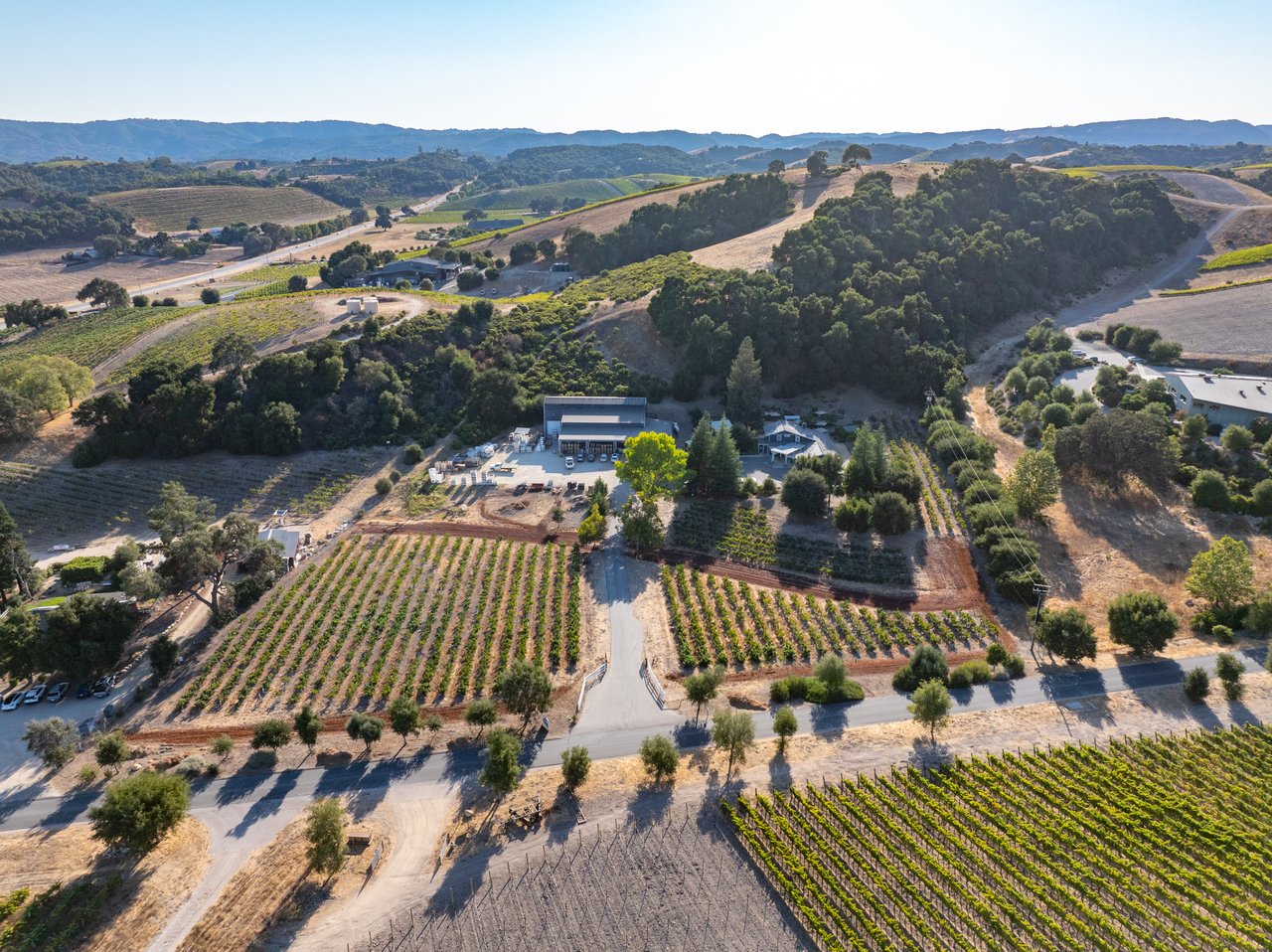
One of the most interesting items is a phased winery and distillery development proposed by Norgrove Gardens, LLC.
Why this is notable
-
The facility would total over 12,000 sq ft at full buildout.
-
Includes a shared tasting room and special event program (20 events/year, up to 150 guests).
-
Requests several modifications to County standards:
-
Reduced public tasting setback (200 ft → 155 ft)
-
Outdoor amplified music after 5 PM
-
Taller-than-usual signage (two signs at 22’ height)
These types of modifications are becoming more common as wineries look for ways to differentiate guest experiences while still navigating rural compatibility rules. Watching how the County evaluates these requests is important for any owner considering future expansion or diversification.
The project also proposes using an existing tram for tours — a fun peek at the evolving guest-experience arms race in our local wine industry.
2. Paso Robles–Area Winery Seeks to Expand Food & Hospitality Offerings
Another applicant requested an amendment to allow a winery to expand beyond typical “wine pairing” service and offer more robust restaurant-style experiences. They also want to allow tasting and seating on multiple terraces.
Why this matters
Food service at wineries has long been a sensitive regulatory topic. Any movement toward loosening these historical limits can affect:
-
Business models for existing wineries
-
Value potential for properties with visitor-serving entitlements
-
Buyer interest in turnkey hospitality sites
Even though this particular amendment involves no new building area, it reflects a broader trend: wineries are evolving into full hospitality destinations.
3. Large Propane Tank Approved for San Miguel Industrial Site
While less glamorous, this kind of infrastructure update signals continued industrial and agricultural support development in North County. It’s a reminder that SLO County’s wine regions rely heavily on adjacent industrial zoning for storage, transportation, energy, and production support.
4. Countywide Land-Use Ordinance Amendments Could Impact Future Development
Perhaps the most impactful agenda item is the proposed amendment to both the Inland and Coastal Land Use Ordinances.
Key parts include:
A. Updates to Outdoor Lighting Regulations
This supports dark-sky goals and will affect new builds, remodels, and exterior upgrades.
B. Increased Noticing Radius to 1,000 feet
For rural projects, neighbors will receive more communication — something both applicants and surrounding property owners should be aware of.
C. Measure A Compliance for Oil & Gas Support Facilities
Requires a majority vote for certain permits. Not directly wine-industry related, but part of the broader regulatory environment.
D. Expanded School District Housing Allowances
A subtle but meaningful update, especially for communities navigating workforce housing shortages.
5. Why Vineyard & Estate Owners Should Care About These Updates
Even if you’re not planning a development project right now, these regulatory shifts influence:
Property Values
Properties with permits for events, food service, or visitor-serving amenities may see increasing demand.
Future Entitlements
Understanding what the County is willing to approve today informs what you might be able to pursue tomorrow.
Neighborhood Compatibility (and Buyer Expectations)
Whether you’re selling or holding, buyers want to know what the “future neighborhood” could look like — more tasting rooms? More events? More restrictions?
Long-Term Wine Country Vision
Each agenda gives clues about where SLO County is heading. This month’s?
A slow but steady evolution toward elevated hospitality, clearer environmental standards, and enhanced communication in rural development.
Closing Thoughts
The December agenda shows that SLO County continues to balance preservation of agricultural land with the realities of a modern, experience-driven wine industry. For owners, investors, and buyers, staying informed on these changes is essential — and can even uncover opportunities.
Click here to Join our exclusive market insights newsletter.